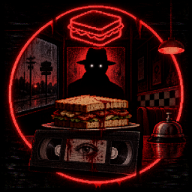
Serve Or Die videos: What Community Playthroughs Reveal Before You Work the Shift
A spoiler-aware guide to Serve Or Die videos, covering demo gameplay, escalating orders, scares, and practical viewing tips.
What the Community Footage Shows
Serve Or Die videos turn an ordinary sandwich-shop shift into a tense horror experience built around accuracy, interruptions, and escalating customer demands. For viewers deciding whether the game fits their taste, Serve Or Die videos matter because they reveal how food preparation and unsettling story moments compete for the player's attention. The available footage suggests that the stress does not come from one mechanic alone; it comes from trying to keep working while the shop increasingly feels unsafe.
The two recordings reviewed here are community reports rather than official documentation. They are useful for understanding the demo's visible routines, atmosphere, and pressure points, but they cannot confirm every feature, route, or outcome in the current version of the game.
For authoritative information beyond gameplay footage, visit the official Serve Or Die page from Dead Tape Studio.
Footage-Based Snapshot
| Footage signal | Count in this sample | What it indicates |
|---|---|---|
| Community demo playthroughs reviewed | 2 | The observations come from a limited but consistent set of player experiences. |
| Demo workdays shown | 3 | Tasks and menu demands increase across multiple shifts. |
| Food categories visibly introduced | 3 | Sandwiches appear first, followed by soup and cookies. |
| Videos with horror interruptions | 2 of 2 | Both recordings show the routine being disrupted by unsettling events. |
| Videos with a late high-pressure order sequence | 2 of 2 | Order recall and speed become especially important later in the demo. |
The first community demo playthrough and the second Serve Or Die demo recording both depict a similar structure. A new employee starts with basic duties, learns the shop's tools with little guidance, and faces a growing combination of customer requests and horror-focused disturbances.
That consistency is valuable for viewers. It suggests the demo's central appeal is not simply making food quickly. It is maintaining concentration when customer dialogue, power issues, suspicious movement, and abrupt scares make ordinary tasks feel unreliable.
How Serve Or Die Videos Build the Deli Shift
Both Serve Or Die videos show the workload expanding in layers rather than replacing earlier mechanics. The opening shift focuses on sandwiches and drinks, while subsequent days add soup, cookies, more elaborate combinations, and increasingly distracting events. A player who can remember ingredients still has to manage preparation order, timing, and the shop's hostile atmosphere.
| Demo day | Community-reported tasks | Why the shift becomes harder |
|---|---|---|
| Day 1 | Open the shop, prepare basic chicken or beef sandwiches, handle drink requests, and learn the environment. | Players are still locating ingredients and understanding the workflow. |
| Day 2 | Soup joins the menu, multi-item requests appear, and disturbing encounters continue. | More items must be remembered and served while attention is divided. |
| Day 3 | Cookies are introduced, combined orders increase, and a rapid multi-sandwich sequence appears. | The player has to juggle several preparation steps under obvious pressure. |
The player experience in both recordings points to a simple but effective loop: read an order, prepare the requested food, deliver it, clean up, and repeat. Sandwich requests can involve cooked meat, toppings, condiments, and drinks. Later requests mix categories, such as a sandwich paired with soup or a cookie.
Horror Interrupts the Routine
The gameplay footage also makes clear that Serve Or Die is not presented as a straightforward restaurant-management game. A displayed demo warning refers to psychological horror, disturbing material, stalking, sudden scares, and loud audio. Community reports show power-related disruptions, ominous signs, suspicious figures, and customer interactions that become more threatening as the shifts progress.
That contrast is the hook. A normal food-service routine gives viewers something familiar to follow, then the game uses that routine to make interruptions feel more dangerous. When the player has to leave the counter to address a power issue or clean up at closing, the task itself becomes a source of tension.
How to Watch Serve Or Die Videos Without Spoiling Everything
Watching Serve Or Die videos can answer practical questions before you play, but a full playthrough may reveal important late-demo moments. The best approach depends on whether you want to learn the gameplay loop, assess the horror tone, or preserve the surprises for yourself.
| Viewing goal | Best part of the footage to prioritize | What you can learn |
|---|---|---|
| Check the basic gameplay loop | The first shift | How sandwich orders, cooking, toppings, and delivery work. |
| Judge the horror tone | Early interruptions and power-related moments | Whether the game's suspense and sudden scares suit you. |
| Learn the growing menu | The transition into Days 2 and 3 | How soup, cookies, and combination orders add complexity. |
| Preserve major surprises | Stop before the final shift's pressure sequence | You can understand the premise without seeing later threats or outcomes. |
| Study order management | The late multi-order section | How quickly a player must identify and assemble several requests. |
Use these Serve Or Die videos as a visual guide, not as a complete strategy manual. The commentators react in real time, make mistakes, and sometimes speculate about what they see. That makes the footage entertaining, but it also means viewers should separate visible mechanics from a player's interpretation of the story.
A useful active-viewing checklist:
- Notice which ingredients appear to require cooking before assembly.
- Repeat a full order mentally before starting the first sandwich.
- Watch for tasks that force the player away from the service counter.
- Track when new menu items are introduced rather than assuming they are available immediately.
- Stop the video once the atmosphere and core loop are clear if you want a fresher first playthrough.
Practical Tips Drawn From Player Experience
The community footage supports a few practical habits for anyone preparing to play the demo. These are workflow recommendations based on what the videos show, not officially confirmed optimal strategies or guaranteed solutions.
| Situation shown in the videos | Practical response | Reasoning |
|---|---|---|
| Meat appears to need preparation before it can be served. | Start cooking protein early, then gather toppings while it finishes. | It reduces idle time when an order has several components. |
| Sandwiches can contain multiple toppings and condiments. | Read the entire request before assembling anything. | Missing one ingredient is easier than noticing an incomplete order after delivery. |
| Drinks, soup, cookies, and sandwiches can be requested together. | Identify the longest preparation step first, then handle quick items around it. | Combined orders create more chances to lose track of a task. |
| The game directs the employee toward a fuse box near storage during outages. | Learn the route and nearby instructions before a stressful moment. | Familiarity with the environment may limit confusion during interruptions. |
| Closing tasks include cleaning and putting the shop in order. | Finish end-of-shift tasks methodically instead of rushing toward the exit. | Community reports show that the quiet moments outside normal service can still be tense. |
The strongest takeaway from Serve Or Die videos is that organization matters as much as speed. A quick player who starts the wrong order can lose more time than a slower player who reads carefully, groups tasks logically, and keeps the work area in mind.
A simple approach is to identify every requested item, begin with anything that needs cooking or heating, assemble the sandwich ingredients in a deliberate order, and then perform a final mental check before serving. The footage does not establish an exact scoring system or every failure condition, but it clearly rewards close attention during increasingly stressful scenes.
What the Footage Does and Does Not Confirm
Community reports are especially useful when they show the same pattern across separate playthroughs. Still, demo gameplay has limits. The recordings identify themselves as early-preview footage, so viewers should not assume every observed event, recipe, or sequence represents the entire current game.
| Supported by the two recordings | Not confirmed by the recordings alone |
|---|---|
| The demo includes three escalating workdays. | The total number of days or chapters in the full game. |
| Sandwiches, soup, cookies, and drinks appear in the visible workflow. | A complete menu or every possible recipe. |
| Horror events interrupt food-service tasks. | Whether events are scripted, random, or triggered by performance. |
| Later scenes place obvious pressure on the player to complete orders quickly. | The exact rules behind every failure state or ending. |
| Players can encounter unsettling characters, signs, and power problems. | How often those events occur across all versions or routes. |
This distinction matters because gameplay footage can create false certainty. A player may assume a scare is unavoidable, a character has one fixed role, or an order mistake always leads to the same result. The available Serve Or Die videos do not prove those details.
For current first-party information, use the official game page rather than relying on an older demo recording. The community footage is best treated as a spoiler-aware preview of mood and moment-to-moment gameplay, not a substitute for release notes or official feature documentation.
FAQ About Serve Or Die Videos
What do Serve Or Die videos show?
Serve Or Die videos show a horror-leaning food-service game where players prepare sandwiches and other items while dealing with unsettling interruptions. The available community playthroughs show a three-day demo progression that adds soup, cookies, and more demanding orders over time.
Are Serve Or Die videos useful for learning recipes?
They are useful for understanding the visible preparation flow and several ingredient combinations, but they are not a complete recipe guide. The two recordings show a limited demo sample, so players should avoid assuming every menu item or order variation has been captured.
Is Serve Or Die more of a restaurant game or a horror game?
Based on player experience in the footage, it combines both. Food preparation creates the core routine, while stalking imagery, power disruptions, strange customers, and sudden scares create the horror pressure around that routine.
Where can I verify current Serve Or Die information?
Check the official Serve Or Die listing from Dead Tape Studio for the most reliable first-party information. Use community videos to judge the gameplay feel, but verify availability, updates, and full-game details through the official source.
Related Guides
Serve Or Die Community: Why This Late-Night Horror Game Is Drawing Players In
Explore the Serve Or Die community through verified game details, player experiences, early feedback, and spoiler-light tips for new players.
Serve Or Die Discord: How to Find Reliable Community Updates and Demo Advice
Looking for Serve Or Die Discord information? Learn how to verify community spaces, avoid bad invites, and discuss the demo without spoilers.
Serve Or Die Fan Community: Where Players Share Night-Shift Horror Stories
A practical guide to the Serve Or Die fan community, spoiler-safe discussions, player reports, and official demo information.
Serve Or Die gameplay video: A Community Guide to the Horror Demo
What a Serve Or Die gameplay video reveals about its food-service horror demo, rising tension, and first-shift learning curve.