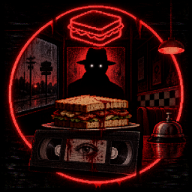
Serve Or Die gameplay guide: Complete Demo Tips for Every Night Shift
Learn a practical Serve Or Die demo routine for accurate orders, food prep, cleanup, and tense late-night shifts.
Your First Shift: What Matters Most
Every successful order in Serve Or Die buys you a little breathing room, but a missed ingredient, burned protein, or dropped delivery can turn a routine shift into a scramble. This Serve Or Die gameplay guide gives new players a reliable method for reading orders, preparing food, and staying composed as the shop becomes more unsettling. The purpose of this Serve Or Die gameplay guide is not to remove the horror; it is to make the kitchen routine familiar enough that you can notice the details that matter.
The official Serve Or Die demo page describes the game as a PSX-style psychological horror experience set in a small sandwich shop during a night shift. It is currently presented as a downloadable Windows demo, and Dead Tape Studio notes that visuals, sounds, mechanics, and other gameplay elements may change before a final release.
Ingredient lists, menu additions, and shift-specific examples below are based on a published player experience of the demo. Use this Serve Or Die gameplay guide as a current framework, but always check the in-game notebook and active order details in your own build.
| Demo element | What the available sources support | What it means for players |
|---|---|---|
| Setting | You operate a small sandwich shop during the night shift. | Learn the counter layout early so you can move efficiently later. |
| Tone | The official description emphasizes psychological horror, strange customers, and uncertainty about what is real. | Expect interruptions and unsettling encounters alongside food-service tasks. |
| Presentation | The game uses PSX-inspired visuals and a VHS-like atmosphere. | Low-fi visuals are part of the experience, so read order information carefully. |
| Current status | The official page lists a Windows demo and warns that content may change. | Treat recipes and event sequences as demo-specific unless confirmed in-game. |
| Observed progression | A player experience covers three shifts with additional menu items introduced over time. | Master the base sandwich loop before juggling new categories. |
Serve Or Die gameplay guide: Build a Reliable Shift Routine
The central Serve Or Die gameplay guide principle is simple: prepare before pressure arrives. The demo's tension works best when you know where supplies are, understand the current menu, and have a plan for interruptions. Trying to learn every station while a customer is waiting makes otherwise simple requests much harder.
At the start of a shift, slow down long enough to orient yourself. The opening phone conversations and notebook are useful context, not background flavor. In the observed player experience, the notebook explains menu handling, while an early call warns about a fuse box located outside the storage area.
| Pre-shift action | Why it helps | Source basis |
|---|---|---|
| Read the notebook | It provides the clearest available reference for food, drinks, sauces, and later menu additions. | Player experience |
| Identify ingredient locations | You will waste less time searching when an order includes several components. | Player experience |
| Locate the cooking station | Hot ingredients need attention, especially when you are working on multi-item orders. | Player experience |
| Check the drink and soup areas | Drinks and soups can be requested alongside sandwiches. | Player experience |
| Remember the fuse-box route | Power problems can pull you away from the counter. | Player experience |
| Know where the mop belongs | Cleanup and returning the mop to storage are part of closing out a shift. | Player experience |
A useful beginner rule is to complete one order cleanly before starting another. That approach may feel slower at first, but it prevents the most expensive kind of mistake: forgetting which ingredients belong to which customer after several items are already in progress.
The currently observed demo progression also rewards players who treat each day as a new training layer rather than assuming the first shift teaches everything.
| Shift | Observed additions or pressures | Best priority |
|---|---|---|
| Day 1 | Sandwiches, sauces, soda, beer, basic customer service, and cleanup. | Learn the sandwich assembly and delivery rhythm. |
| Day 2 | Soup orders, including tomato and mushroom soup in the recorded playthrough, plus more disruptive outages. | Separate food categories in your head before preparing anything. |
| Day 3 | Cookies join the menu, and customer interactions become more intense. | Read every request fully and resist rushing through multi-item orders. |
This shift outline is player experience, not an official permanent roadmap. Since the developer says the demo is still evolving, confirm the available menu and objectives whenever you begin a new run.
Order Accuracy: The Core of This Serve Or Die gameplay guide
A good Serve Or Die gameplay guide should focus on preventing mistakes rather than simply telling you to move faster. The kitchen loop is manageable when you divide each request into small checks: main food, toppings, sauces, drinks, and any additional items.
A recorded player experience shows food being remade after the player noticed an omitted component. That is the practical lesson: do not hand over an item just because it looks finished. Compare it against the entire request one last time.
Use a five-step read-to-serve loop
| Step | What to do | Why it works |
|---|---|---|
| 1. Read the full request | Identify every requested sandwich, drink, soup, or cookie before grabbing ingredients. | Prevents you from overlooking a second item. |
| 2. Sort by category | Mentally separate sandwiches, drinks, soups, and cookies. | Stops a large order from becoming one confusing list. |
| 3. Build the sandwich list | Count protein, toppings, and sauces individually. | Sauces and smaller toppings are easy to miss. |
| 4. Monitor hot food | Give cooking ingredients your attention before moving on. | In the player experience, chicken could burn when left too long. |
| 5. Make a deliberate handoff | Aim the completed item at the intended customer instead of rushing the delivery. | Missed deliveries can create unnecessary waste and delay. |
For example, an observed order combining chicken, lettuce, cheddar, and onion is not merely "a chicken sandwich." Treat it as four separate checks before serving: chicken, lettuce, cheddar, onion. If the customer also requests a soda, that is a separate delivery item, not a detail to remember after the sandwich is gone.
The current demo footage shows the following menu components. This is not a complete official recipe database, but it is a useful reference for what players may encounter.
| Menu category | Observed items | Practical reminder |
|---|---|---|
| Sandwich bases and proteins | Bread, chicken, beef | Verify the requested protein before you start cooking or assembling. |
| Cold sandwich components | Lettuce, tomato, onion, cheddar | Count each topping rather than relying on the sandwich's appearance. |
| Sauces | Ketchup, mustard | Treat sauces as mandatory when named in the order. |
| Drinks | Soda, beer | Keep drinks separate from sandwich prep so they are not forgotten. |
| Soups | Tomato soup, mushroom soup | In the observed run, soups become relevant after the first shift. |
| Cookies | A cookie prepared using the available heating and bagging process | In the observed run, cookies are introduced later than soups. |
This Serve Or Die gameplay guide recommends a simple mental shorthand for bigger requests: say the order back to yourself in groups. For instance, think, "one sandwich, one soup, two drinks," then finish each group in that sequence. You do not need to race the customer dialogue. You need a process that still works after an interruption.
Delivery discipline matters as much as recipe discipline. In the published player experience, food that missed its intended handoff landed on the floor and led to wasted items. When you are holding a completed order, stop moving for a moment, line up the customer, and commit to the delivery rather than flicking the item toward the counter in a panic.
Keep Working When the Horror Escalates
The final Serve Or Die gameplay guide priority is composure. The official premise is built around strange customers and an atmosphere that becomes increasingly disturbing. The game wants you to feel distracted, so your response should be procedural: return to the order, check the ingredients, then finish the task in front of you.
Use these habits when the shift becomes uncomfortable:
- During a power outage, pause long enough to remember the active order before leaving the counter. The early call identifies the fuse box as being outside the storage area.
- When a customer behaves strangely, avoid letting the scene make you abandon a half-finished request. Finish or safely reset your food preparation first.
- When closing tasks appear, inspect the shop for visible dirt, use the mop, and return it to its locker before trying to end the shift.
- When an order includes several items, finish the easiest completed item only after confirming the rest of the request has not changed.
- When you lose track of an ingredient, remake the item instead of guessing. A clean reset is usually better than serving an uncertain sandwich.
There is a minor late-demo spoiler worth understanding: a published player experience reaches a threatening customer encounter involving rapid sandwich requests and severe pressure to act quickly. The useful strategy is not to memorize an unverified recipe sequence. Instead, reread each newly stated request from scratch and do not assume the next sandwich uses the same ingredients as the last one.
Community reports on the official itch.io page also mention different outcome paths connected to fulfilling or failing a mysterious customer's order. Those reports are not an official ending list, so treat them as a reason to replay carefully rather than proof that only two endings exist.
Serve Or Die Gameplay Guide FAQ
Is Serve Or Die currently a full game or a demo?
The official page identifies Serve Or Die as a downloadable demo for Windows. It also states that mechanics, visuals, sounds, and gameplay elements may change, so current demo advice should not be treated as a permanent final-release guide.
What should I focus on first as a new player?
Start with the notebook, ingredient locations, and the sandwich-prep loop. Learn how to track protein, toppings, and sauces before worrying about speed. Once that is automatic, drinks, soup, cookies, outages, and strange customer behavior become much easier to manage.
When do soups and cookies appear?
In the recorded player experience, soup is added on Day 2 and cookies are introduced on Day 3. Because the developer describes the build as an evolving demo, check your current run instead of assuming every version follows the exact same schedule.
Does this Serve Or Die gameplay guide reveal every ending?
No. This Serve Or Die gameplay guide stays mostly spoiler-light and does not claim to provide a complete ending list. Community reports describe outcome differences around a later order sequence, but the available sources do not establish a definitive set of endings.
Related Guides
Serve Or Die beginner guide: Find Reliable Help for Your First Session
A source-aware Serve Or Die beginner guide for finding Steam community help, judging tips, and planning your first session.
Serve Or Die customer guide: Orders, Encounters, and Survival Tips
This Serve Or Die customer guide covers orders, customer cues, cleanup steps, and spoiler-light demo survival tactics.
Serve Or Die guide: Reliable Research, Setup, and Progress Checklist
A practical Serve Or Die guide for verifying sources, planning your first session, and recording confirmed mechanics.
Serve Or Die how to play: A Beginner's Guide to Surviving the Night Shift
Learn the Serve Or Die demo loop: cook sandwiches, follow orders, manage outages, clean up, and handle escalating pressure.