Serve Or Die how to play: A Beginner's Guide to Surviving the Night Shift
Learn the Serve Or Die demo loop: cook sandwiches, follow orders, manage outages, clean up, and handle escalating pressure.
Start With the Right Expectations
Your first shift in Serve Or Die asks you to do something deceptively ordinary: keep a sandwich counter moving while the shop becomes steadily less comfortable to work in. This Serve Or Die how to play guide matters because filling an order correctly is only half the challenge; timing, cleanup, power issues, and unsettling interruptions can all pull your attention away from the counter. If you need Serve Or Die how to play advice without spoiling every story beat, focus on the routine first and let the horror unfold naturally.
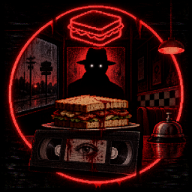
Dead Tape Studio describes the game as a PSX-style psychological horror experience set in a small night-shift sandwich shop. The current release is a downloadable Windows demo, and the developer notes that mechanics, sounds, visuals, and other elements may change before the full game. Check the official Serve Or Die demo page from Dead Tape Studio for the current download and development status.
| Confirmed detail | What it means for new players |
|---|---|
| Night-shift sandwich shop setting | Your main job is taking, preparing, and serving food orders. |
| Psychological horror focus | Strange events and customers are part of the intended experience. |
| PSX-inspired visuals and VHS-like atmosphere | Expect deliberate retro presentation rather than a polished modern restaurant simulator. |
| Downloadable Windows demo | This guide covers the documented demo experience, not an assumed final version. |
| In-development notice | Menu items, order behavior, and progression may change later. |
The game is easier to learn when you separate its two layers: complete the practical restaurant tasks accurately, then stay alert when the environment interrupts them.
First-Minute Setup Checklist
The following steps are based on player experience from supplied demo playthroughs, rather than a published control manual.
| Before opening the shop | Why it helps |
|---|---|
| Read the notebook near the work area. | It provides recipe and task guidance, especially when new items appear. |
| Find the grill, bread, toppings, sauces, drinks, and serving area. | You will make fewer errors when an order arrives under pressure. |
| Locate the open/closed shop sign. | Opening the store begins the customer-service loop. |
| Identify the exterior storage route and fuse box. | The opening shift warns that power can fail. |
| Find the mop and its locker. | End-of-shift cleaning is part of the demo routine. |
Serve Or Die how to play: Learn the Core Shift Loop
The basic loop is straightforward: open the shop, listen to an order, prepare each requested item, hand it over, and clean up when the shift ends. The tension comes from performing that loop while unexpected visitors, eerie sounds, and story events compete for your focus.
At its most practical, Serve Or Die how to play means treating every order as a short checklist rather than trying to improvise around the customer’s dialogue.
| Order phase | What to do | What can go wrong |
|---|---|---|
| Read the request | Identify every sandwich, drink, soup, or cookie requested. | Serving only part of a multi-item order. |
| Start the protein | Put chicken or beef on the grill and wait until it is cooked. | Leaving it too long and losing usable food. |
| Build the sandwich | Use bread, cooked protein, and the exact requested ingredients. | Forgetting a topping or adding an unrequested item. |
| Add extras | Collect drinks and unlocked side items before delivery. | Missing soda, beer, soup, or cookies. |
| Deliver the order | Give the completed items to the customer. | Handing over food before the whole order is ready. |
| Reset the station | Remove failed or spoiled ingredients and prepare for the next request. | Letting clutter create confusion on the next order. |
Player experience from the supplied recordings shows chicken and beef as the main sandwich proteins. Recorded orders also include cheddar, lettuce, onion, tomato, mustard, and ketchup. Drinks include soda and beer, while soups and cookies join the menu later in the demo.
Use this reliable assembly rhythm:
- Listen for the complete order before grabbing ingredients.
- Start cooking the requested meat first.
- Keep the topping list in a simple mental sequence.
- Build the sandwich only after the protein reaches its cooked state.
- Add drinks or secondary food items before serving.
- Discard food that has burned or spoiled instead of trying to salvage the order.
Player experience also suggests that ingredients do not stay usable forever. Avoid cooking multiple proteins far in advance unless you know they will be needed immediately. A fresh, accurate sandwich is more valuable than a counter full of food that may become unusable.
Track the Menu as Each Demo Day Changes
A workable Serve Or Die how to play plan does not require memorizing every possible sandwich combination. It does require noticing when the menu expands and returning to the notebook when the game introduces a new task.
Both supplied playthroughs show a three-day demo progression, although the developer’s preview notice means the sequence could change in a later build.
| Demo day | Player experience shows | Best response |
|---|---|---|
| Day 1 | Sandwiches, drinks, opening procedures, cooking, serving, and cleanup. | Learn the station layout and sandwich sequence without rushing. |
| Day 2 | Tomato and mushroom soup become available, alongside power-related tension. | Read the updated notebook and know the route to the fuse box. |
| Day 3 | Cookies are added and the pressure of later requests increases. | Keep orders organized and avoid wasting cooked ingredients. |
Think of the menu in three groups:
- Sandwich core: bread plus cooked chicken or beef.
- Toppings and sauces: cheese, vegetables, mustard, and ketchup.
- Extras: soda, beer, soup, and eventually cookies.
The game can present simple orders, such as chicken with lettuce or beef with cheddar, but it also presents multiple-item requests. When a customer wants two sandwiches and a drink, do not rely on a vague memory of the first item. Complete one order component at a time, then confirm the full set before delivery.
Do not assume that an ingredient combination from one customer will work for another. The safest approach is to follow the current request exactly. That discipline matters more as the demo begins layering menu additions and more stressful scenes into the shift.
Handle Disruptions Without Losing the Order
Serve Or Die uses its horror setting to disrupt routine tasks. The best response is usually practical: address the immediate operational problem, return to the counter, and re-check the order before serving.
A reliable Serve Or Die how to play approach is to treat scary events as distractions unless the game gives you a direct task prompt.
| Situation | Recommended action | Why it works |
|---|---|---|
| The power goes out | Use the notebook guidance, go through the exterior storage area, and address the fuse box. | The opening shift specifically points you toward this solution. |
| A new menu item is introduced | Read the notebook before opening the shop. | New food types may have different preparation steps. |
| Meat burns or food spoils | Throw it away and restart that part of the order. | Player experience shows that waiting too long can ruin ingredients. |
| The shift ends | Mop the dirty areas, then return the mop to its locker. | Cleanup is part of the documented day-end routine. |
| A customer creates time pressure | Prioritize cooking and exact assembly over exploring the shop. | Late demo requests can demand speed as well as accuracy. |
The game’s atmosphere encourages you to look around, second-guess what you saw, and react to strange sounds. That is effective horror design, but it is not a reason to abandon a nearly complete order. If the food is cooking, finish the immediate task unless the game clearly directs you elsewhere.
Player experience indicates that some late requests combine several ingredients and leave little room for mistakes. Keep one rule in mind: food preparation comes first, visual curiosity comes second.
Build a Consistent Beginner Routine
The strongest Serve Or Die how to play habit is reducing every customer request to a repeatable sequence. You do not need fast reflexes at the start; you need a method that prevents you from overlooking a drink, a topping, or a second sandwich.
Use a Three-Part Memory Method
When an order arrives, divide it into three short groups:
- Protein: chicken, beef, or no sandwich protein if the customer only wants another item.
- Build: bread, toppings, cheese, and sauces.
- Extras: drinks, soup, cookies, or additional sandwiches.
This approach makes complicated orders manageable. For example, instead of remembering a long list all at once, remember “beef sandwich, toppings, two beers” and complete those groups in order.
Additional beginner tips:
- Cook the requested meat before gathering nonperishable toppings.
- Finish one sandwich completely before starting another when you are still learning the layout.
- Re-read the order after placing the cooked protein in the bread.
- Keep the serving area clear enough to distinguish finished food from failed ingredients.
- Use quieter early shifts to practice menu locations before the demo becomes more demanding.
The recorded demo ends with a highly pressured late request, reinforcing the central lesson: being correct is important, but being correct quickly matters too. Learn the food stations first, then improve your speed by making your order sequence automatic.
FAQ
What kind of game is Serve Or Die?
Serve Or Die is a PSX-style psychological horror game from Dead Tape Studio. You work a late-night sandwich shop, take customer orders, cook food, serve it, clean up, and deal with increasingly unsettling events.
What should I do when the power goes out?
Player experience from the demo shows that you should use the exterior storage route to reach the fuse box. The in-game notebook is the best first reference because the opening shift points players to it for power-related guidance.
Do the same menu items stay available throughout the demo?
No. Supplied playthroughs show the menu expanding across the three demo days. Sandwiches and drinks appear early, soup is added later, and cookies arrive after that. Check the notebook whenever the game introduces something new.
Is Serve Or Die how to play difficult for first-time players?
Serve Or Die how to play is easy to understand but harder to execute under pressure. The cooking and serving loop is simple, yet food timing, multi-item requests, menu additions, and horror distractions make careful order management essential.
Related Guides
Serve Or Die beginner guide: Find Reliable Help for Your First Session
A source-aware Serve Or Die beginner guide for finding Steam community help, judging tips, and planning your first session.
Serve Or Die customer guide: Orders, Encounters, and Survival Tips
This Serve Or Die customer guide covers orders, customer cues, cleanup steps, and spoiler-light demo survival tactics.
Serve Or Die gameplay guide: Complete Demo Tips for Every Night Shift
Learn a practical Serve Or Die demo routine for accurate orders, food prep, cleanup, and tense late-night shifts.
Serve Or Die guide: Reliable Research, Setup, and Progress Checklist
A practical Serve Or Die guide for verifying sources, planning your first session, and recording confirmed mechanics.