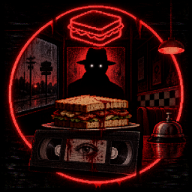
Serve Or Die tips: Master Orders, Survive the Shift, and Avoid Costly Mistakes
Practical Serve Or Die tips for accurate orders, new menu items, power outages, cleanup, and surviving the unsettling night shift.
Build a Calm Routine Before the Shop Opens
The best Serve Or Die tips turn a tense sandwich-shop shift into a repeatable routine before the horror begins to interrupt it. These Serve Or Die tips matter because a missing sauce, burnt protein, dropped item, or ignored environmental change can force a remake or make it unclear which task is blocking progress. In the early demo footage, success depends more on recognizing the current objective than on trying to rush every interaction.
The supplied gameplay material comes from early-demo player experience, and the demo itself warns that features, visuals, sounds, and gameplay may change before a final release. For the current build and developer-provided details, use the official Serve Or Die itch.io page.
Before opening the shop, take a quick tour of the work area. The opening phone call and notebook establish the core loop, while later events make it valuable to know exactly where essential tools are located.
| Pre-Shift Check | What to Locate | Why It Helps |
|---|---|---|
| Phone | The opening objective source | Calls can introduce a new task or menu change. |
| Notebook | Recipe and item instructions | Check it before guessing how a new item works. |
| Ingredient stations | Meat, bread, produce, cheese, sauces | Reduces wasted movement when an order becomes complicated. |
| Drinks and trash | Soda, beer, and disposal area | Prevents a dropped or spoiled item from becoming a distraction. |
| Mop and locker | Cleanup equipment and storage | End-of-shift cleanup requires both mopping and putting the tool away. |
| Outside storage route | The path to the fuse box | A power outage can send you outside the shop to restore electricity. |
A useful 60-second opening routine is simple:
- Answer the phone and identify the immediate assignment.
- Read the notebook when an unfamiliar food item appears.
- Walk past each preparation station once.
- Remember where the exterior fuse box, mop, locker, and trash are located.
These early Serve Or Die tips prevent the most frustrating kind of mistake: knowing what to do, but losing time because you cannot remember where the required interaction is.
Use These Serve Or Die Tips to Make Every Order Accurate
The service loop shown in community recordings is straightforward: listen to the order, gather ingredients, cook the requested meat, assemble the food, and deliver it to the customer. The real challenge is staying organized when dialogue, unsettling customers, and environmental events compete for attention.
Use one consistent assembly process for every sandwich. This is a personal workflow rather than a confirmed in-game ingredient-order requirement, but it makes omissions much easier to catch.
| Step | Recommended Habit | Common Failure to Avoid |
|---|---|---|
| Receive the order | Repeat each requested component in your head before moving. | Starting prep after hearing only the meat choice. |
| Separate multiple items | Treat each sandwich, drink, soup, or cookie as its own mini-order. | Mixing components from two sandwiches. |
| Cook the meat | Start the requested protein, then gather cold ingredients while it cooks. | Forgetting the meat until it burns. |
| Assemble the sandwich | Use the same order every time: protein, produce, cheese, sauces. | Adding a sauce because it “looks right” instead of confirming it. |
| Perform a final check | Compare meat, toppings, sauces, and extras against the request. | Serving as soon as the sandwich appears finished. |
| Deliver carefully | Approach the active customer and hand over the completed item deliberately. | Missing the target and dropping food or drinks on the floor. |
| Reset the station | Dispose of unusable or spoiled food before beginning the next order. | Leaving old sandwiches around and confusing them with active orders. |
Use a Quick Recipe Notation
For longer dialogue, turn an order into a short internal checklist. Examples observed in player experience include:
Chicken + lettuceBeef + cheddarBeef + tomato + ketchupChicken + onion + mustardChicken + lettuce + cheddar + onion
These are examples from a community-recorded Serve Or Die demo playthrough, not a complete official recipe list. The important habit is to preserve the order exactly as spoken, especially when ketchup and mustard are both available.
The strongest Serve Or Die tips use a four-part check before delivery:
- Is the requested meat cooked?
- Are all produce and cheese ingredients present?
- Did you add the correct sauce or sauces?
- Did the customer request an additional drink, soup, cookie, or second sandwich?
Player footage shows that chicken can burn if ignored too long. If an order is interrupted, check the meat first, then return to the ingredient list instead of assuming the partially prepared sandwich is still usable.
Adjust Your Workflow as Serve Or Die Adds Menu Items
The demo expands the workday rather than keeping the menu static. Community reports and gameplay footage show sandwiches and drinks early on, soup added later, and cookies introduced after that. Each addition is simple on its own, but it increases the chance of overlooking an extra item in a multi-part request.
| Demo Stage | New Task Seen in Player Experience | Low-Error Approach |
|---|---|---|
| Opening shift | Sandwiches, soda, and beer | Learn the layout and establish a sandwich-check routine. |
| Later shift | Tomato and mushroom soup | Confirm the soup type, use the bowl, and deliver it carefully. |
| Later shift | Cookies | Confirm the requested quantity, use the microwave, then move prepared cookies into the bag. |
| High-pressure encounters | Several food items requested in close succession | Count the total number of deliverables before starting prep. |
These Serve Or Die tips become more valuable when one customer requests a sandwich plus a drink, soup, or cookies. Do not mentally reduce a multi-item order to its largest component. A correct sandwich is still incomplete if the customer also asked for a soda or a bowl of soup.
Keep Multi-Item Orders Linear
When a request includes several products, use this order:
- Count every requested item first.
- Start cooking any required meat before handling cold ingredients.
- Finish one sandwich at a time.
- Prepare drinks, soup, and cookies as separate checklist entries.
- Recount the completed items before walking back to the counter.
This method is slower than grabbing everything at once, but it is more reliable. In a horror service game, avoiding a remake is usually more valuable than saving a few seconds during assembly.
Investigate Interruptions Before Remaking Food
The horror elements in Serve Or Die are not just visual distractions. The phone, power failures, notes, altered spaces, unusual visitors, and strange shop activity can indicate that the next progression trigger is somewhere other than the prep counter.
Community reports should be treated as player experience, not proof that every event is random or that all builds behave identically. Still, the supplied footage consistently supports one useful rule: when the normal service rhythm breaks, look for what changed before remaking food.
| What You Notice | First Check | Practical Next Step |
|---|---|---|
| A phone rings | The phone and its instructions | Listen for the newly assigned task before opening the shop or continuing service. |
| The power goes out | The outside storage area and fuse box | Restore power, then return to the active order. |
| A customer remains waiting | The current recipe and handoff | Recheck missing sauces, extra items, and whether the food was delivered properly. |
| A door, sound, note, or object seems different | The nearby shop area | Inspect the changed location for an interaction or clue. |
| You receive a closing instruction | The floor, mop, and locker | Mop visible messes, then return the mop to its locker. |
| A visitor disrupts normal service | Dialogue and the immediate environment | Observe the scene before assuming another ordinary sandwich is required. |
One of the most practical Serve Or Die tips is to avoid random interaction during tense moments. First identify the obvious change, then resolve the most direct objective. Repeatedly rebuilding a sandwich will not help when the real requirement is restoring power, cleaning up, or responding to a new event.
Prioritize the Active Objective During Later Shifts
Later demo segments combine a growing menu with more stressful customer encounters. Player footage includes moments where several sandwiches must be prepared quickly, making it easy to lose track of sauces, protein types, and unfinished items.
Use this priority order whenever the shift becomes chaotic:
| Priority | Focus | Why It Comes First |
|---|---|---|
| 1 | Active customer request | It is usually the clearest progression requirement. |
| 2 | Cooking food | Meat can become unusable if left unattended. |
| 3 | Explicit new objective | Phone calls, power failures, and changed interactables can halt normal service. |
| 4 | Required cleanup or closing task | The shift may not advance until cleanup is completed. |
| 5 | Optional exploration | Explore after the immediate service or scripted task is resolved. |
A spoiler-light first run should focus on completing the work loop cleanly rather than pursuing rumored routes. One supplied fan resource discusses replay outcomes and alternate endings, but it identifies itself as unofficial, and the reference material does not include official confirmation of specific route requirements. Treat detailed ending instructions as unverified until the current build documents them.
That restraint is part of good Serve Or Die tips: learn the shop, finish the shift, and let the game reveal its unsettling moments naturally.
FAQ
What Serve Or Die tips should beginners use first?
Start with the notebook, memorize the location of each station, and complete one order at a time. For each sandwich, verify cooked meat, toppings, sauces, and extra items before delivering it. This prevents most early mistakes without revealing later horror sequences.
How do you handle a power outage in Serve Or Die?
In the supplied demo footage, the opening call explains that power problems can be fixed at the fuse box near the outside storage area. When the lights fail, pause food prep if possible, use the exterior route, restore power, and then return to the current order.
What should I do when a customer will not accept an order?
Community reports suggest that a waiting customer often means something remains incomplete. Recheck the requested meat, ingredients, sauce choice, drinks, soup, cookies, and delivery handoff before making a replacement item. If the recipe is correct, inspect the nearby area for a new objective or interaction.
Are recipes and later events the same in every version?
Not necessarily. The available player experience comes from an early demo that notes its gameplay and content may change. Check the official Serve Or Die itch.io listing for the latest build information, and treat community recipe lists or ending routes as version-specific unless confirmed by the developer.
Related Guides
Serve Or Die beginner guide: Find Reliable Help for Your First Session
A source-aware Serve Or Die beginner guide for finding Steam community help, judging tips, and planning your first session.
Serve Or Die customer guide: Orders, Encounters, and Survival Tips
This Serve Or Die customer guide covers orders, customer cues, cleanup steps, and spoiler-light demo survival tactics.
Serve Or Die gameplay guide: Complete Demo Tips for Every Night Shift
Learn a practical Serve Or Die demo routine for accurate orders, food prep, cleanup, and tense late-night shifts.
Serve Or Die guide: Reliable Research, Setup, and Progress Checklist
A practical Serve Or Die guide for verifying sources, planning your first session, and recording confirmed mechanics.