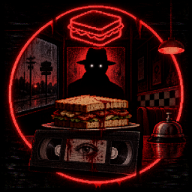
Serve Or Die Characters: A Spoiler-Light Guide to the Demo's Unsettling Cast
Meet the key Serve Or Die characters in the demo, from uneasy customers to the boss, mascot, and threatening late-shift visitors.
Who the Demo Establishes as Serve Or Die Characters
At first, Serve Or Die presents its cast as ordinary late-night customers and an unseen supervisor, then makes every order feel like a test of nerve. That is why the Serve Or Die characters matter: its psychological horror is built less around a labeled monster roster than around who enters the sandwich shop and what they seem to know. This spoiler-light Serve Or Die characters guide separates demo-supported details from player interpretation, so you can follow the story without turning theories into canon.
Dead Tape Studio describes Serve Or Die as a PSX-style psychological horror game about working a night shift in a small sandwich shop. The official description emphasizes strange customers, VHS-style atmosphere, and a short story-driven experience, all of which shape how its characters function. For the current Windows build and developer updates, use the official Serve Or Die demo page from Dead Tape Studio.
The demo does not publish a formal cast list, and most people are unnamed. The most reliable approach is to identify Serve Or Die characters by their roles, dialogue, and recurring behavior rather than assigning them fan-made names.
| Figure or role | What the demo establishes | Story function | Evidence status |
|---|---|---|---|
| The employee | The player begins a first shift and handles food preparation, customer service, cleaning, and power-related tasks. | The player's routine work becomes the lens for the horror. | Direct demo information |
| The unseen employer | A voice gives instructions, explains the shop's procedures, and later introduces new menu items. | Makes escalating pressure sound like ordinary workplace management. | Direct demo dialogue |
| The personal visitor | One visitor says they texted the employee and refers to plans after the shift. | Suggests the employee has a life beyond the shop. | Direct demo dialogue |
| The shop mascot | A stylized mascot is present inside the business and becomes increasingly noticeable as the shift progresses. | Creates visual unease without an immediate explanation. | Player experience |
| The armed messenger | A late visitor appears threatening and relays pressure connected to a "boss." | Turns a service task into a high-stakes story moment. | Player experience |
The employee is deliberately underdefined. That works in the demo's favor because players are not protected by a detailed backstory or special abilities. They are simply expected to keep working while the shop becomes harder to understand.
Customer Types That Make the Shift Feel Unsafe
The customers are not just a queue of food orders. Each interaction changes the mood, reveals a rumor, or creates uncertainty about what kind of danger the employee is facing. Some are plainly odd, while others feel normal enough to make the strange encounters more effective.
Player experience: Recorded demo playthroughs show a steady escalation from basic sandwich orders to visitors who interrupt preparation, speak cryptically, make unreasonable demands, or behave as though the shop has a history the employee does not know.
| Customer type | Notable behavior in the demo | What it may suggest | What remains uncertain |
|---|---|---|---|
| The curious customer | Startles the employee during food preparation and says he wants to see how the food is made. | The work area is not as private or secure as it should be. | Whether he is connected to later incidents |
| The cleanliness-focused customer | Comments on the shop's condition and compares the employee with prior workers. | Previous employees may be relevant to the setting's history. | What happened to those workers |
| The energy reader | Says the location feels wrong and mentions strange stories about it. | The shop has a local reputation for unsettling events. | Whether the warning is supernatural, psychological, or manipulative |
| The report-seeking visitor | Asks whether anything unusual has happened around the business. | Other people may already be investigating disturbances. | Their identity and objective |
| The recently fired patron | Talks about losing a long-term job while ordering food and drinks. | Adds a human, everyday frustration to the late-night atmosphere. | Whether the conversation has a larger plot purpose |
| The frequency-focused customer | Discusses outages, an antenna, and unexplained frequencies. | Power failures may be part of a larger mystery. | Whether the antenna causes the disturbances |
| The distressed pair | React to an apparent abnormality and urgently want to leave. | The strange activity may be visible to more than the employee. | What they actually saw |
| The coercive messenger | Pressures the employee to complete a specific food request for an unseen authority. | Someone outside the shop may be exerting control. | Who the authority is and what they want |
The best way to read the Serve Or Die characters is to pay attention to contrast. A customer ordering a simple chicken-and-lettuce sandwich creates a baseline. When another visitor asks about unexplained reports, watches the employee cook, or arrives with a threat, the shift feels unstable because the game has already taught you what normal service looks like.
The Boss, Mascot, and Power Outages: The Demo's Recurring Threads
The horror does not come from a single confirmed villain. Instead, the demo repeatedly circles back to a few connected ideas: workplace authority, the watching mascot, and disruptions in the shop's power supply.
The unseen employer sounds casual and businesslike while continuously increasing the employee's workload. Sandwiches, drinks, soups, cookies, cleanup, and equipment problems are all framed as part of the job. That ordinary tone makes the later danger more disturbing because the employee is encouraged to stay productive instead of questioning the situation.
| Recurring thread | What appears in the demo | Safe interpretation | Do not assume |
|---|---|---|---|
| Employer instructions | The employee receives phone guidance and menu updates. | The employer controls the pace and structure of each shift. | The employer is definitely the same person later called "the boss." |
| The mascot | The mascot becomes visually suspicious in recorded runs. | It is an effective source of environmental tension. | It is confirmed to be alive or hostile. |
| Electrical trouble | The employee is told to address a fuse box outside the shop. | Leaving the counter creates vulnerability and advances the shift. | A power outage has one confirmed cause. |
| Antenna and frequency talk | A visitor connects outages with activity around an antenna. | The dialogue introduces a possible mystery beyond the shop. | The antenna is responsible for every strange event. |
| The boss's order | A threatening visitor says an unseen boss does not like to wait. | A food order becomes a coercive demand. | The boss's identity, organization, or motive is known. |
Calling these threads a confirmed conspiracy would go beyond the available evidence. The demo encourages that suspicion, but its psychological-horror premise depends on withholding a clean answer.
Community reports: Comments on the official itch.io page discuss a memorable late confrontation and possible variations in demo outcomes. Those reports are useful for recognizing replay interest, but Dead Tape Studio has not published an official faction name, character directory, or ending-route guide.
How Serve Or Die Characters Turn Routine Service Into Horror
The most useful first-run strategy is to treat dialogue as information rather than background noise. The Serve Or Die characters can give a direct order, introduce a new task, point toward a location, or distract you from the food currently on the grill.
| Shift moment | Practical response | Example from the demo | Why it helps |
|---|---|---|---|
| A new order arrives | Listen to the entire request before collecting ingredients. | Customers may ask for a sandwich plus a drink, soup, or cookies. | Reduces missed items and repeated preparation. |
| A menu item is introduced | Locate its station before serving the next customer. | Soups and cookies appear after the initial sandwich routine. | Prevents panic when an unfamiliar request arrives. |
| The power goes out | Remember the active order, then follow the game's instruction to inspect the relevant area. | The fuse box is outside the storage area. | Keeps a story event from becoming an order mistake. |
| A visitor gives unusual dialogue | Note the clue, but finish any active required task first. | Customers discuss strange reports, outages, and frequencies. | Separates narrative information from immediate service needs. |
| A threatening demand appears | Follow the stated request exactly and avoid guessing at extra ingredients. | A messenger pressures the employee over an order for the boss. | Lowers the risk of making an avoidable mistake. |
| The shop closes | Complete cleaning and equipment-return prompts carefully. | The employee uses a mop and returns it to storage. | Helps transition the shift without overlooking an objective. |
A quick order check can keep the escalating cast from overwhelming you:
- Confirm whether the requested protein has been cooked.
- Check every topping and sauce before delivering the sandwich.
- Verify whether the customer also asked for a beverage, soup, or cookie.
- Serve the completed order to the correct person before chasing a minor visual change.
Player experience: Demo runs show that food can be left too long during a tense sequence. Checking the grill before investigating a small environmental change is a sensible habit, especially once customers begin demanding more complicated combinations.
These are reliability practices, not confirmed requirements for a particular ending. The demo is explicitly an early preview, and its visuals, mechanics, and story elements may change before the full release.
What This Character Guide Can and Cannot Confirm
A strong Serve Or Die characters guide should preserve the game's mystery without presenting speculation as fact. The demo provides clear scenes and clues, but it does not give final answers about every person, warning, or visual disturbance.
| Question | What the demo supports | What should remain open |
|---|---|---|
| Is the employee named? | The player is a sandwich-shop worker on a night shift. | Their name, history, and reason for taking the job. |
| Is the personal visitor a confirmed partner? | They mention texting the employee and plans after work. | The exact nature of their relationship. |
| Does the mascot have an official identity? | A mascot is visible and becomes suspicious in player experience footage. | Its name, motives, and whether it is sentient. |
| Is the opening employer the same as the later boss? | Both are authority figures connected to the shop's demands. | Whether they are the same person or group. |
| What causes the horror events? | Customers mention rumors, power trouble, and strange activity. | A confirmed supernatural, technological, or psychological explanation. |
| Are multiple endings verified? | Community reports discuss possible outcome differences. | Exact conditions or a complete ending list. |
For now, the strongest reading is that the cast makes the employee doubt both the shop and their own perceptions. The Serve Or Die characters matter because each one adds a small piece of information while making it less clear which information is trustworthy.
Serve Or Die Characters FAQ
Who is the main character in Serve Or Die?
The player controls an unnamed employee working alone during a late-night sandwich-shop shift. The demo establishes their job responsibilities, but it does not provide a detailed personal history or official name.
Are the Serve Or Die characters officially named?
The official game page does not provide a complete cast list. Labels such as "the energy reader," "the curious customer," and "the armed messenger" are descriptive role names based on their demo behavior. Player-created names for the mascot should not be treated as official canon.
Who is the boss in the demo?
The game features an unseen employer who gives work instructions, while a later threatening visitor refers to a boss who expects an order. The demo does not confirm whether those references identify the same person or organization.
Are all customers hostile?
No. Several visitors behave like ordinary customers, which is important to the atmosphere. The tension comes from not knowing whether a strange remark, an unusual payment method, or an abrupt interruption is harmless, a story clue, or a genuine threat.
Related Guides
Serve Or Die customers: Who They Are and Why Every Order Feels Dangerous
A spoiler-aware guide to Serve Or Die customers, their orders, warning signs, and the story clues hidden in each shift.
Serve Or Die Ending Guide: How to Reach the Demo's Final Outcomes
Master the Serve Or Die ending with demo-route tips, final-order checks, and clearly labeled official facts and community reports.
Serve Or Die Endings: What the Demo Suggests and How to Test Them
Serve Or Die endings guide: verified demo details, player-reported outcomes, and a spoiler-aware replay plan.
Serve Or Die Lore Explained: Demo Story Clues, Characters, and Ending
Explore the Serve Or Die story, strange customers, VHS clues, and demo ending while separating confirmed evidence from theory.