Serve Or Die Ending Guide: How to Reach the Demo's Final Outcomes
Master the Serve Or Die ending with demo-route tips, final-order checks, and clearly labeled official facts and community reports.
What Is Officially Known Before You Chase an Ending
At first, Serve Or Die makes you worry about burnt meat, dropped drinks, and impatient customers; by the final shift, the Serve Or Die ending turns that routine into a survival test. Knowing how the Serve Or Die ending is structured matters because an inaccurate final order can push a run toward a fatal outcome instead of the alternate result players are trying to reach. Full demo spoilers follow, with confirmed details kept separate from player experience and community reports.
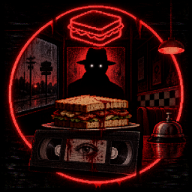
Dead Tape Studio's official Serve Or Die demo page describes the game as a PSX-inspired psychological horror experience about operating a small sandwich shop during a night shift. Players take orders, prepare food, serve unsettling customers, and watch the workplace become increasingly difficult to understand.
The official page also makes an important limitation clear: this is an early Windows demo, and its visuals, mechanics, sounds, and gameplay may change before the final release. It does not publish a numbered ending list, official ending names, or exact route requirements.
That means the most useful ending guide is careful rather than overconfident. The route advice below focuses on completing the available demo cleanly, recognizing the late-game pressure sequence, and testing alternate outcomes without treating community discoveries as confirmed canon.
| Topic | Evidence Type | What Is Reliably Supported | What Is Still Unconfirmed |
|---|---|---|---|
| Setting | Official information | You work a late-night sandwich-shop shift in a psychological horror game. | Specific story explanations for every strange event. |
| Demo status | Official information | The available version is an early preview for Windows. | Whether all current events will remain unchanged in the full release. |
| Final confrontation | Player experience | A recorded playthrough reaches a high-pressure final customer sequence after several shifts. | The exact universal trigger for every possible outcome. |
| Alternate outcomes | Community reports | A player reported seeing a completion result and a failure result. | Official names, total ending count, and exact conditions. |
| Ingredient requirements | Player experience | Missing a late-order ingredient can lead to a failed run. | Whether every incorrect item always causes the same result. |
Why ordinary orders still matter
Routine service is not proven to be a branching system by itself, but it is essential for progression. In the recorded player experience, incomplete sandwiches, missed condiments, and failed handoffs created confusion or prevented customers from leaving normally.
Treat ordinary orders as groundwork for the ending sequence. If a customer remains at the counter, first verify the active recipe, delivery state, and any required side item before assuming you found a secret route.
A Reliable Serve Or Die Ending Route Through the Final Shift
The safest first attempt at the Serve Or Die ending is a clean baseline run. Do not try to force a hidden outcome immediately. Instead, complete every shift carefully so that, when the unusual final sequence begins, you know any result is tied to that encounter rather than an earlier mistake.
Player experience shows the demo escalating across three workdays. New food types and stranger customer interactions gradually make the simple service loop harder to manage.
| Shift Phase | Tasks Seen in Player Experience | Best Preparation Habit |
|---|---|---|
| Opening shift | Learn sandwich assembly, cooking, drinks, and customer handoffs. | Read the in-game notebook and locate every station before opening. |
| First day closing | Clean the shop and return the mop before ending the day. | Finish required cleanup instead of searching for optional secrets. |
| Second shift | Soup joins the menu, while power problems and unusual customers increase tension. | Keep food categories separate and complete one order at a time. |
| Third shift | Cookies appear, encounters become more unsettling, and the late-game sequence escalates. | Listen closely to every final request and avoid unnecessary movement. |
| Final customer chain | Multiple food requests arrive under visible pressure. | Record ingredients, build accurately, and deliver each completed item promptly. |
A practical order-control system is more useful than trying to remember every ingredient under pressure. When a customer speaks, pause for a moment and capture the entire request before reaching for food.
| Service Moment | What to Track | Example Note |
|---|---|---|
| Order received | Every ingredient, drink, soup, or cookie requested | Chicken, lettuce, cheddar, onion |
| Cooking | Correct protein and whether it has been removed from heat | Fresh chicken ready |
| Assembly | Cheese, vegetables, ketchup, mustard, and other modifiers | Mustard checked |
| Delivery | Whether the intended customer accepted the item | Handoff complete |
| Reset | Any discarded food or unfinished item that could cause confusion | Counter clear |
Use the following route on a first serious attempt:
- Learn the preparation area before the shop gets busy.
- Complete normal sandwiches and side orders exactly as requested.
- Treat cleaning and closing tasks as required progression, not optional chores.
- Inspect clear environmental changes during calm moments.
- Once the final special encounter begins, prioritize the active request over experimentation.
- Finish the scene before restarting or judging the outcome.
Your first Serve Or Die ending run should aim for consistency: correct service, completed cleanup, close attention to dialogue, and immediate delivery during the final chain. Even if you still reach the failure scene, that clean run gives you a much better baseline for a replay.
How to Avoid a Failed Serve Or Die Ending
The clearest known failure pattern comes from player experience. During a late, threatening customer encounter, the service pace increases sharply. The recorded player missed a listed condiment while trying to keep up, after which the encounter ended in an apparent fatal failure scene.
That does not prove that one missed sauce always produces the same failed Serve Or Die ending. The developer has not published a universal order list or route formula. It does show that late-game food preparation should be treated as a complete checklist, not a rough approximation.
| Final-Sequence Risk | Prevention Method | Last Check Before Delivery |
|---|---|---|
| Mishearing an order | Repeat the full ingredient list before collecting food. | Does the note match the customer's request? |
| Wrong or overcooked protein | Cook only the item required for the current order. | Is the correct fresh protein on the sandwich? |
| Forgotten sauce | Add sauces deliberately and cross each one off. | Did you include both ketchup and mustard when requested? |
| Mixing several orders | Finish and deliver one item before starting another. | Is this item for the customer currently waiting? |
| Panicked movement | Keep the route between stations short and predictable. | Have you completed the active task before investigating anything else? |
A five-point review helps during the final sequence:
- Confirm the bread or base item.
- Confirm the cooked protein.
- Confirm every vegetable and cheese component.
- Confirm every condiment separately.
- Confirm the drink, soup, cookie, or other side item before delivery.
The sauce check deserves special attention. In the recorded player experience, the late mistake was not an obvious failure such as handing over raw food; it was a missed modifier in a rushed order. That is exactly the kind of error players make when they remember the main ingredients but stop checking the smaller details.
If a customer does not accept an item, avoid randomly making several replacement sandwiches. Review the current request, identify the likely missing component, and remake only what is necessary. Extra prepared food can become clutter, spoil, or make it harder to track which order belongs to whom.
What Community Reports Say About Alternate Demo Outcomes
Community reports are useful leads, but they are not the same as developer confirmation. A comment on the official demo page says that a player included two outcomes in a video: one tied to fulfilling the mysterious customer's order and another tied to failing it.
For now, it is best to call these a completion outcome and a failure outcome. Those are descriptive labels, not official names.
| Ending Claim | Evidence Level | Accurate Interpretation |
|---|---|---|
| A failure scene exists | Player experience | A rushed late-order mistake can lead to an apparent fatal result. |
| A successful alternate result exists | Community reports | Players have reported a different result for completing the mysterious order. |
| There are exactly two endings | Community reports only | Possible, but not officially confirmed as the final total. |
| Every build uses the same order sequence | Unconfirmed | Demo changes could alter timing, recipes, or presentation. |
| The full game will use the same routes | Unconfirmed | The official demo notice says development details may change. |
To test alternate outcomes responsibly, change one variable per replay. Keep your normal service routine the same, reach the late encounter again, and focus on correcting one clearly identified mistake.
A useful replay log includes:
- The demo version or download date.
- The full ingredient list for each late order.
- Whether every item was delivered successfully.
- Any unusual dialogue or environmental event before the final scene.
- The result shown after the encounter ends.
This approach prevents false conclusions. If you change earlier service, skip cleanup, miss a condiment, and respond differently to a special event in the same run, you will not know which action affected the Serve Or Die ending.
Serve Or Die Ending FAQ
How do I reach the Serve Or Die ending in the demo?
Complete the available shifts, fulfill normal customer orders accurately, finish required closing tasks, and stay focused when the late special encounter begins. The exact successful route is not officially documented, but player experience and community reports both point to accurate final-order fulfillment as the most important goal.
Does one wrong sandwich always cause a failed Serve Or Die ending?
There is no official evidence that every incorrect sandwich changes the outcome. However, player experience shows that a missed late-game ingredient can lead directly into the failure sequence, so use a complete ingredient checklist during the final encounter.
Are there exactly two Serve Or Die endings?
Not officially. Community reports describe two demo outcomes: one for fulfilling a mysterious customer's order and one for failing it. Until Dead Tape Studio confirms an ending count, treat additional routes as possible rather than proven.
Why will the shift not progress after a customer arrives?
First, verify the active order and delivery state. Check every listed ingredient, side item, and sauce, then look for nearby required interactions such as cleanup or closing tasks. A stalled shift is often an incomplete service task rather than evidence of a hidden branch.
Related Guides
Serve Or Die Characters: A Spoiler-Light Guide to the Demo's Unsettling Cast
Meet the key Serve Or Die characters in the demo, from uneasy customers to the boss, mascot, and threatening late-shift visitors.
Serve Or Die customers: Who They Are and Why Every Order Feels Dangerous
A spoiler-aware guide to Serve Or Die customers, their orders, warning signs, and the story clues hidden in each shift.
Serve Or Die Endings: What the Demo Suggests and How to Test Them
Serve Or Die endings guide: verified demo details, player-reported outcomes, and a spoiler-aware replay plan.
Serve Or Die Lore Explained: Demo Story Clues, Characters, and Ending
Explore the Serve Or Die story, strange customers, VHS clues, and demo ending while separating confirmed evidence from theory.