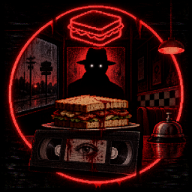
Serve Or Die customer gameplay: A Spoiler-Light Night-Shift Survival Guide
Master Serve Or Die customer gameplay with order tips, horror cues, and a spoiler-light survival plan for the Windows demo.
A sandwich order becomes a test of nerve when the room around the counter stops behaving normally: Serve Or Die customer gameplay makes routine food prep feel exposed and urgent. That contrast matters because Serve Or Die customer gameplay asks you to remain accurate while reading customers, sounds, and changes in the shop for signs that the routine has broken down. This spoiler-light guide explains how to establish a dependable service rhythm, recognize interruption cues, and get more from the Windows demo without spoiling its psychological-horror surprises.
Why Serve Or Die Customer Gameplay Creates Tension
Dead Tape Studio presents Serve Or Die as a PSX-inspired psychological horror game set in a late-night sandwich shop. According to the official Serve Or Die itch.io demo page, the game combines food-service work, VHS-style atmosphere, strange customers, and a story-driven descent into increasingly unsettling events.
The pressure comes from contrast. Your role begins with practical tasks such as taking requests, preparing food, and completing handoffs. As the night develops, the same familiar actions become harder because the environment and the people visiting the shop no longer feel dependable.
Player experience: Public demo playthroughs show the shift progressing from basic sandwich service into broader menu management, maintenance interruptions, and increasingly uncomfortable customer encounters. These examples reflect the available demo footage and may differ from a future build.
| Gameplay layer | What to prioritize | Why it creates pressure |
|---|---|---|
| Customer orders | Listen for the full request before moving | A missed ingredient can disrupt the service flow |
| Food preparation | Gather, cook, assemble, and deliver in sequence | Several small actions compete for attention |
| Shop maintenance | Notice direct prompts and environmental problems | Routine work can be interrupted unexpectedly |
| Customer behavior | Watch for dialogue or behavior that breaks the pattern | Not every visitor feels like a normal customer |
| Atmosphere | Pay attention to lighting, sound, and changed objects | Horror clues can be part of progression |
At its strongest, the Serve Or Die customer gameplay loop uses repetition to build anxiety. You learn how the shop works, become comfortable with the stations, and then have to keep that knowledge intact when the setting starts challenging your focus.
Build a Reliable Serve Or Die Customer Gameplay Routine
The best way to approach Serve Or Die customer gameplay is to make each order follow the same internal routine. Do not turn every request into a frantic search through the shop. A consistent process leaves more mental space for unusual events when they appear.
Player experience: The available walkthroughs show food preparation involving ingredients, cooked proteins, condiments, drinks, and later menu additions. They also show that leaving food unattended can create avoidable problems, so complete the active request before drifting into low-priority exploration.
| Step | Action | Practical check before moving on |
|---|---|---|
| 1. Receive | Let the customer finish the request | Identify the sandwich, toppings, sauce, and extra item |
| 2. Stage | Collect only what belongs to the current order | Avoid mixing parts from two customers |
| 3. Cook | Start the required protein and monitor it | Remove it once the game indicates it is ready |
| 4. Assemble | Build the item on the preparation surface | Compare every ingredient with the request |
| 5. Deliver and reset | Hand off the order, then clear your workspace | Confirm the interaction advances before starting again |
Use a simple three-part mental script:
- Request: Repeat the order to yourself before touching ingredients.
- Recipe: Complete the food item in a deliberate sequence rather than improvising.
- Response: Watch for the customer or game state to confirm that the task is finished.
This method is especially useful when a sound, movement, or visitor pulls your attention away from the counter. In player footage, distractions can happen while food is being prepared, so knowing exactly where you stopped helps you resume without rebuilding the entire order.
A practical rule is to treat one customer as one completed job. Finish the requested food and drink, clear any unusable leftovers, and return the prep area to a known state. That reduces the chance of serving the wrong item after an unsettling interruption.
Serve Or Die Customer Gameplay Prep: Adjust as the Menu Grows
The opening shift is your opportunity to learn the station layout before the service routine becomes more demanding. The official page notes that the demo is an early preview, so individual mechanics and menu details may change. Still, the recorded demo gives players a useful model for organizing their work.
Player experience: The public playthroughs show the menu expanding across successive shifts rather than presenting every task at once.
| Demo phase shown in player videos | Service pressure introduced | Best adaptation |
|---|---|---|
| Early shift | Basic sandwich orders and drinks | Memorize the location of bread, fillings, cooking equipment, and delivery point |
| Middle shift | Soup requests alongside sandwich work | Confirm the requested soup type before handing it over |
| Later shift | Cookies, drinks, sandwiches, and soup can overlap | Keep the prep surface clear and complete one request at a time |
Group Ingredients by Decision
Instead of memorizing every possible order as a long list, organize the visible ingredients into practical categories. Public demo videos show chicken and beef as proteins, with ingredients such as lettuce, cheddar, onion, tomato, ketchup, and mustard appearing in orders.
| Request example shown in player footage | Mental checklist | Detail worth verifying |
|---|---|---|
| Chicken and lettuce sandwich | Bread, cooked chicken, lettuce | Make sure the protein is ready before assembly |
| Beef and cheddar sandwich | Bread, cooked beef, cheddar | Do not confuse the protein with another item |
| Sandwich with tomato and sauce | Base sandwich, requested toppings, correct condiment | Check whether ketchup or mustard was requested |
| Soup request | Requested flavor and serving container | Do not assume all soups are interchangeable |
| Cookie and soda request | Follow the current in-game preparation prompt, then add the drink | Treat dessert preparation as its own step |
A useful prep order is: hot ingredient first, sandwich assembly second, extras last, delivery immediately afterward. That sequence limits idle time for food while keeping drinks, soup, or cookies from cluttering your attention.
The goal is not speed for its own sake. Accuracy is what keeps the service loop stable when the game's horror elements start trying to make you second-guess every sound and movement.
Read Customer Behavior and Shop Changes as Gameplay Signals
The official premise makes clear that customers and the shop's atmosphere become more disturbing over time. That means you should not evaluate every situation solely as a restaurant-management problem. Some moments are there to advance the narrative or redirect your attention.
Player experience: Available walkthroughs depict unsettling customers, altered environmental details, power-related interruptions, and moments where the player must decide whether to continue serving or investigate a more immediate problem.
| Signal | First response | Best service decision |
|---|---|---|
| A customer acts unusually | Let the interaction finish and identify the actual request | Do not grab ingredients until you know the objective |
| Lighting or power changes | Check the notebook, prompts, and relevant nearby area | Remember what was cooking before leaving |
| A familiar object looks different | Inspect the change once it is safe to do so | Preserve the active order in your memory |
| A customer pressures you | Slow down enough to verify the request | Prioritize items that could be ruined if ignored |
| A new direct prompt appears | Treat it as a likely progression task | Resolve it before repeatedly remaking food |
Use a three-level priority system during tense moments:
- Direct objective: A prompt, required repair, or clear customer interaction comes first.
- Time-sensitive prep: Return to food that may be overcooked or left unusable.
- Optional investigation: Explore suspicious details after the required work is stable.
Do not ignore an explicit event simply because you are midway through a sandwich. At the same time, do not abandon every active order over a minor visual oddity. The tension works best when you pause, identify what changed, and choose the next action deliberately.
Make a Spoiler-Light First Run, Then Replay With Purpose
Your first run should focus on understanding the shop rather than chasing every possible secret. The official listing describes the demo as an early preview, with visuals, sounds, mechanics, and gameplay elements potentially subject to change. Treat any detailed route information as build-specific.
Community reports: Comments and public playthroughs praise the later demo shifts and discuss different outcomes around a late, high-pressure sequence. That is a reason to replay carefully, not a confirmed map of every possible branch or secret.
Use this replay plan to learn more without flattening the horror into a checklist:
- Orientation run: Learn ingredient locations, prep stations, the customer counter, and any maintenance route before trying to optimize.
- Clean-service run: Complete routine orders carefully and note which moments clearly interrupt normal work.
- Focused replay: Change only one meaningful action or response during a later sequence, then observe the result.
- Compare outcomes: Track changes in customer dialogue, environmental behavior, and the final scene rather than assuming every detail is random.
Avoid relying on unverified ending charts. A more useful approach is to establish a reliable baseline first: complete the normal service loop, respond to obvious events, and then test one variation at a time. That keeps the replay meaningful while preserving the uncertainty that makes the demo effective.
FAQ
What is the core Serve Or Die customer gameplay loop?
At its core, Serve Or Die customer gameplay follows a food-service routine: receive an order, prepare the requested item, verify it, deliver it, and reset for the next customer. The psychological-horror layer gradually disrupts that routine through strange visitors and changes in the shop.
Should I explore the shop before taking orders?
Explore early, when the shift is calm and no task is pressing. Learn the location of ingredients, preparation tools, delivery areas, and any instructional notes. Once an active order is underway, finish it unless the game gives you a clear reason to investigate something more urgent.
How should I handle power outages or major interruptions?
Player experience in the recorded demo shows that power problems can redirect you toward a maintenance task. Follow the in-game notebook or current prompt, remember what you left cooking, and return to the order only after the urgent objective is resolved.
Where can I find legitimate Serve Or Die demo information?
Check Dead Tape Studio's official Serve Or Die page for the Windows demo, current availability, and developer-provided updates. It is the most reliable source for build-specific information as the game develops.
Related Guides
Serve Or Die demo gameplay: What to Expect From the Night Shift
A spoiler-light guide to Serve Or Die demo gameplay, covering sandwich orders, escalating scares, and practical night-shift tips.
Serve Or Die full gameplay: Demo Walkthrough, Survival Tips, and Key Moments
Explore Serve Or Die full gameplay through its demo loop, order strategy, scares, practical tips, and a spoiler-aware three-day breakdown.
Serve Or Die game mechanics: How the Night-Shift Horror Loop Escalates
Explore Serve Or Die game mechanics, from sandwich orders and shop chores to eerie customers, menu growth, and practical demo tips.
Serve Or Die gameplay: A Guide to Handling the Horror Night Shift
A practical Serve Or Die gameplay guide to orders, escalating night-shift pressure, and surviving the current horror demo.