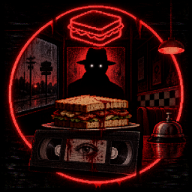
Serve Or Die full gameplay: Demo Walkthrough, Survival Tips, and Key Moments
Explore Serve Or Die full gameplay through its demo loop, order strategy, scares, practical tips, and a spoiler-aware three-day breakdown.
What Serve Or Die full gameplay shows in the demo
A late-night sandwich-shop shift becomes a pressure cooker in Serve Or Die full gameplay, where time-sensitive orders and eerie interruptions compete for every second. Watching Serve Or Die full gameplay matters before you play because the demo shows how recipe recall, food timing, cleanup, and rising unease are intertwined. This guide distinguishes the demonstrated player experience from unconfirmed details, helping you decide what to expect without overstating the game's scope.
The supplied evidence centers on a community-recorded Serve Or Die demo playthrough, so walkthrough-specific details below are labeled as player experience rather than developer-confirmed documentation. The recording opens a sandwich shop, progresses through three workdays, adds menu items over time, and ends at a stated demo endpoint. For current availability and developer-provided information, visit the official Serve Or Die itch.io listing.
| Observed demo element | Player experience shown | Why it matters |
|---|---|---|
| Opening routine | The player opens the shop and checks a notebook for instructions. | Learning the workspace before taking orders reduces early confusion. |
| Food preparation | Ingredients must be cooked, assembled, and delivered in the correct combination. | A small recipe mistake can create extra work during a rush. |
| Food condition | Bread can burn, while prepared ingredients can spoil if left too long. | Timing is as important as choosing the right items. |
| Store interruptions | Power failures send the player away from the counter to address an electrical problem. | Routine service can be disrupted without warning. |
| Horror framing | Strange notes, unsettling visitors, and unexplained appearances interrupt the workday. | The tension comes from multitasking under pressure, not food prep alone. |
| End-of-shift chores | The player must clean with a mop and return it before leaving. | The shift does not end as soon as the last customer is served. |
That three-day format is important. Serve Or Die full gameplay in this recording is not simply a food-service simulation with a creepy setting. It uses ordinary tasks, such as cooking chicken or clearing spoiled food, to keep the player occupied while the shop becomes increasingly uncomfortable.
The core order loop: build quickly without creating waste
A useful Serve Or Die full gameplay run starts with understanding the basic service loop: receive an order, verify the recipe, prepare ingredients, assemble the item, hand it over, and clear the station. In the recorded player experience, the loop becomes more difficult because food can be ruined and customers or environmental events can interrupt the process.
The recording shows bread burning and ingredients spoiling, which turns unnecessary preparation into waste. The practical goal is not to fill the counter with food in advance. Instead, prepare only what the active order needs and complete each item before moving on when possible.
| Order phase | Example from player experience | Practical habit |
|---|---|---|
| Read the order | An early customer requests chicken and lettuce. | Mentally repeat the components before picking up ingredients. |
| Check instructions | The notebook explains how food preparation works. | Review new recipes before opening or after a menu change. |
| Cook ingredients | Chicken must be cooked before it can be used. | Start the heated component first, then gather the cold ingredients. |
| Assemble carefully | Later orders combine meat, cheese, vegetables, and condiments. | Build one order at a time when the shop is busy. |
| Deliver promptly | Completed food is handed to the waiting customer. | Do not let finished orders sit while you begin another task. |
| Reset the station | Burned bread and spoiled ingredients are discarded. | Clear unusable food immediately to avoid grabbing it by mistake. |
These recommendations are based on player experience, not a confirmed scoring formula or official strategy guide. Still, the footage suggests several reliable habits:
- Check the requested ingredients before cooking, especially when chicken and beef are both available.
- Avoid making extra portions unless another order clearly requires them.
- Treat a completed order as a priority because delay can create more clutter and confusion.
- Throw out burned or spoiled food instead of trying to reuse it.
- Keep the work area clear enough that you can respond quickly when the power goes out.
The strongest service-gameplay habit is a two-pass check. First, identify the recipe. Second, confirm that every visible item on the counter belongs to the current order. That short pause can prevent an incorrect sandwich and the time lost rebuilding it.
Three-day Serve Or Die full gameplay breakdown
Full demo spoilers follow. This section describes only events visible in the cited player experience and should not be treated as a complete plot summary or a promise that every build of the game follows the same sequence.
| Demo day | New workload shown | Escalating pressure | Best lesson |
|---|---|---|---|
| Day 1 | Sandwiches, drinks, recipe learning, and basic cleanup. | Odd customer behavior, unsettling messages, a power interruption, and a late request after closing. | Build a clean routine before the shop becomes harder to manage. |
| Day 2 | Soup is added to the menu, including multiple soup choices. | More demanding customers, conversations about strange local events, and another electrical disruption. | New menu items increase mental load even before the horror escalates. |
| Day 3 | Cookies join the menu alongside existing food and drinks. | Unusual visitors and a threatening multi-order encounter create an urgent final sequence. | Recipe accuracy and speed matter most when several orders arrive under pressure. |
The progression is compact but effective. Across three demonstrated days, the menu expands twice: soups appear on Day 2, while cookies arrive on Day 3. Those additions are ordinary service-game changes, but they matter because players must remember more options while the shop environment becomes less predictable.
The Day 1 footage establishes the core anxiety. The player is asked to prepare customer food, manage a blackout through an electrical box, clean the store, and deal with an unexpected final visitor. The work itself is simple enough to learn, but it becomes uncomfortable when the player has to leave the counter or investigate areas near the storage space.
Day 2 adds soups and leans further into uneasy dialogue. Community reports from the walkthrough include visitors discussing strange activity around town and recurring power problems. These moments are story hints, not a confirmed explanation of the game's larger plot.
Day 3 turns the ordinary restaurant routine into a fast multi-order challenge. In the recorded player experience, an armed customer demands several sandwiches in a short period, and the demo concludes after that confrontation. It is a sharp example of how Serve Or Die uses food preparation as the source of tension: the player is still following recipes, but the consequences of slow work feel much more immediate.
A practical Serve Or Die full gameplay route for new players
New players should approach the demo like a short shift-management exercise with horror interruptions, rather than rushing through every interaction. The most helpful preparation happens before the first order arrives: learn the recipe reference, identify key work areas, and know where to go if the lights fail.
| Trigger | First response | Follow-up action | Avoidable mistake |
|---|---|---|---|
| Starting a shift | Read the notebook and locate ingredients, cooking space, trash, and cleaning tools. | Open the shop only after the workflow makes sense. | Learning recipes while a customer is already waiting. |
| A new order arrives | Read every component before grabbing food. | Start with any ingredient that must be cooked. | Assuming a similar recipe uses the same meat or toppings. |
| Food burns or spoils | Discard it immediately. | Restart that component with a fresh item. | Leaving ruined food mixed with usable ingredients. |
| The power fails | Follow the in-game direction to the electrical box. | Return directly to the counter once the problem is handled. | Wandering away from the service area longer than necessary. |
| The shift ends | Complete the requested cleaning task. | Put the mop back before leaving. | Treating the final customer as the end of the workday. |
A sensible priority order for the demonstrated demo is:
- Address an urgent system interruption, such as a power failure.
- Protect food that is actively cooking or about to spoil.
- Deliver any completed order.
- Finish the current customer's remaining ingredients.
- Clean up failed food and explore only when the counter is stable.
This is not a guaranteed route to a high score because the supplied material does not confirm a scoring system, failure rules, or every possible customer behavior. It is simply the cleanest way to reduce wasted movement and prevent avoidable food errors during the player experience shown.
One useful example is a chicken sandwich order. Rather than grabbing toppings first and letting the protein sit unattended, begin cooking the chicken, collect the requested vegetables or condiments while it cooks, then assemble and deliver immediately. The same logic applies once soups and cookies are added: finish the active request before creating a pile of half-completed items.
What the demo confirms and what it does not
The demonstrated Serve Or Die full gameplay supports a few clear conclusions. It is a horror-tinged food-service experience built around preparing orders, reacting to equipment problems, handling cleanup, and dealing with increasingly unsettling events during a night shift.
However, one community recording cannot confirm every detail a prospective player may want to know. The supplied sources do not establish:
- The current release status, price, supported platforms, or system requirements.
- The total number of days, recipes, customer types, or possible events in a complete version.
- Whether the demo's story hints lead to branching paths, multiple endings, or a longer campaign.
- Any official scoring, achievement, replayability, or difficulty systems.
This distinction matters for anyone searching for Serve Or Die full gameplay. The available recording provides a complete look at one three-day demo session, but it should not be presented as proof of all content in a current or future full release. Check the official listing for details that may have changed since the recorded playthrough.
Serve Or Die full gameplay FAQ
Is the available Serve Or Die full gameplay video the entire game?
No. The cited player experience covers the three days shown in that demo recording, and the presenter identifies the endpoint as the end of the demo. It is useful as a full walkthrough of that session, but it does not verify the scope of a complete release.
What should I learn first in Serve Or Die?
Start with the notebook and the food-preparation flow. Learn how to identify recipes, cook required ingredients, assemble orders, discard ruined food, and respond to a power outage before trying to move quickly.
What causes the most lost time in the demo?
Player experience suggests that burned bread, spoiled ingredients, recipe confusion, power interruptions, and cluttered work surfaces are the main time drains. Preparing only what the active order requires helps reduce those setbacks.
Is Serve Or Die only about jump scares?
No. The recorded demo combines unsettling encounters with hands-on restaurant tasks. Much of the tension comes from trying to keep orders moving while the environment, customers, and electrical problems demand attention.
Related Guides
Serve Or Die customer gameplay: A Spoiler-Light Night-Shift Survival Guide
Master Serve Or Die customer gameplay with order tips, horror cues, and a spoiler-light survival plan for the Windows demo.
Serve Or Die demo gameplay: What to Expect From the Night Shift
A spoiler-light guide to Serve Or Die demo gameplay, covering sandwich orders, escalating scares, and practical night-shift tips.
Serve Or Die game mechanics: How the Night-Shift Horror Loop Escalates
Explore Serve Or Die game mechanics, from sandwich orders and shop chores to eerie customers, menu growth, and practical demo tips.
Serve Or Die gameplay: A Guide to Handling the Horror Night Shift
A practical Serve Or Die gameplay guide to orders, escalating night-shift pressure, and surviving the current horror demo.