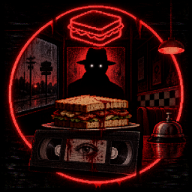
Serve Or Die gameplay: A Guide to Handling the Horror Night Shift
A practical Serve Or Die gameplay guide to orders, escalating night-shift pressure, and surviving the current horror demo.
Serve Or Die gameplay turns a routine sandwich-shop night shift into a test of nerves: every order demands attention while the shop becomes progressively less trustworthy. That matters because Serve Or Die gameplay relies less on raw reflexes than on accuracy, organization, and composure when ordinary work starts to feel unsafe. Dead Tape Studio describes the game as a PSX-style psychological horror experience with VHS-inspired atmosphere, unsettling customers, and short story-driven progression.
The official Serve Or Die Windows demo listing from Dead Tape Studio identifies the build as an early preview, so specific mechanics, visuals, sounds, and menu details may change over time. Treat this guide as a practical way to approach the available demo rather than a permanent recipe reference.
What Makes Serve Or Die gameplay So Tense?
At its core, Serve Or Die gameplay asks players to take orders, prepare food, and serve customers during a late-night shift. That sounds familiar, but the horror comes from the contrast. The tasks are simple enough to understand, which makes interruptions, strange encounters, and mounting uncertainty more unsettling.
The game does not need an elaborate setting to create pressure. A counter, a kitchen area, and a customer request become stressful when the atmosphere implies that the shift is no longer normal. The official premise emphasizes that the longer the night continues, the more difficult it becomes to tell what is real.
| Gameplay element | What the official page establishes | Why it matters while playing |
|---|---|---|
| Night-shift setting | You operate a small sandwich shop after dark. | Routine tasks feel isolated and vulnerable. |
| Food-service loop | You take orders, prepare food, and serve customers. | Accuracy matters before moving on to the next task. |
| Psychological horror | The environment becomes more disturbing over time. | Players should expect story pressure alongside service work. |
| PSX-style presentation | Retro visuals and VHS-like atmosphere shape the experience. | Environmental details may feel intentionally unclear or uneasy. |
| Short story structure | The demo is built around narrative progression. | Pay attention to changes between shifts, not only recipes. |
Serve Or Die gameplay works because it makes familiar service work feel unreliable. A request may still be a request, but the context around it can make a straightforward task feel like a decision made under pressure. The best approach is to keep the work itself structured, so the game’s atmosphere does not create avoidable mistakes.
The Core Serve Or Die gameplay Loop
The official description establishes the broad service loop, while a recorded player experience provides a clearer look at how a demo shift can unfold. These observed details are not a developer-issued controls guide, but they are useful for understanding the practical rhythm of the game.
| Step | Practical focus | Observed player experience |
|---|---|---|
| Read the request | Identify every requested food item and drink before preparing anything. | Orders range from simple sandwiches to food-and-drink combinations. |
| Prepare the main item | Work through the requested components in a deliberate sequence. | The demo shows food preparation, cooking, and ingredient selection. |
| Check additions | Separate sides, drinks, and extra menu items from the main order. | Later requests can involve more than one item. |
| Deliver and reset | Complete the handoff, then clear your attention for the next task. | The recorded shift includes cleanup duties and closing tasks. |
| Handle disruptions | Follow explicit instructions before improvising. | A notebook and a fuse-box-related task appear during the demo experience. |
Treat every order as a small checklist rather than a vague memory test. Before touching ingredients, mentally sort the request into categories:
- Main food item and key components
- Extra ingredients or condiments
- Additional food, such as a side or dessert
- Drink request
- Any active environmental task that needs immediate attention
This habit is especially useful when a customer asks for several things at once. Serve Or Die gameplay becomes much more manageable when you finish the mental organization first, then execute the preparation. A few seconds of checking is usually better than restarting an order after an incorrect ingredient, missed drink, or overcooked item.
How Serve Or Die gameplay Escalates Across a Shift
Minor demo-mechanics spoilers: the official page promises that the atmosphere worsens as the night goes on, and one recorded player experience shows that escalation through three in-game days. The workload grows alongside the horror, making familiar actions less comfortable over time.
| Shift segment observed | Added workload | Rising pressure | Best preparation |
|---|---|---|---|
| Day 1 | Sandwiches, drinks, opening, and cleanup | Strange customers and unsettling details establish the tone. | Learn the shop layout and basic food flow. |
| Day 2 | Soup is added to the menu in the recorded run. | Power issues and unusual interactions complicate the routine. | Remember where instructions and maintenance tools are located. |
| Day 3 | Cookies and larger multi-item requests appear. | Faster, more complicated service overlaps with stronger story tension. | Verify each item before delivery and avoid rushing. |
This progression matters because the challenge is not just doing more work. It is doing more work while the game gives you more reasons to question what is happening around you. The official description frames that uncertainty as central to the psychological horror experience.
Community reports on the official page also point to stronger late-demo moments. One player report described outcomes connected to fulfilling or failing a mysterious request, while also stating that the complete number of endings was unclear. That is useful replay context, but it should not be treated as confirmation of an official ending count.
When the environment becomes distracting, focus first on the clearest available instruction. If you have an active order, identify what remains unfinished. If the game presents a direct maintenance or cleanup task, complete that task methodically before returning to the counter. This prevents the atmosphere from turning confusion into a cascade of missed steps.
Practical Serve Or Die gameplay Strategies
Effective Serve Or Die gameplay is largely about removing mistakes that you can control. You cannot eliminate the game’s tension, but you can keep your station, order tracking, and response habits consistent enough to preserve attention for the horror elements.
| Situation | Best response | Why it helps |
|---|---|---|
| A new multi-item request arrives | Repeat the order internally by category before starting. | It reduces the chance of forgetting a drink, side, or ingredient. |
| You need to prepare food quickly | Finish one clearly understood item before switching tasks. | Partial preparation is harder to track when the environment is distracting. |
| A power or maintenance problem occurs | Follow the notebook or task instruction instead of guessing. | The demo’s observed guidance points players toward specific solutions. |
| Cleanup becomes available | Do it during a quiet moment rather than letting tasks stack up. | A clear routine keeps later interruptions easier to handle. |
| A customer or visual cue feels threatening | Pause briefly, identify the active objective, and resume deliberately. | It stops panic from creating a preventable service error. |
Use a four-check delivery routine
Before handing over an order, run through four short checks:
- Confirm the main food item.
- Confirm the requested components and additions.
- Confirm any drink, soup, cookie, or second item.
- Confirm that the order is ready before moving away from the station.
This is not a game-enforced timer. It is a personal routine that keeps you from relying on memory while the shop grows more disturbing. In the recorded player experience, rushed preparation led to confusion, wasted food, and extra cleanup. A consistent final check prevents many of those problems.
Let the game create tension, not disorder
The point is not to play slowly at every moment. Instead, play deliberately when the game gives you a reason to lose focus. If something unusual happens, look for a clear prompt or instruction, then return to the current task.
The official premise says reality becomes harder to distinguish as the shift continues. That makes basic order discipline more valuable, not less. Knowing what you were doing before a disruption gives you a reliable point of return.
Who Should Try the Demo?
Serve Or Die gameplay is a strong fit for players who enjoy psychological horror built around everyday tasks rather than constant action. Its sandwich-shop setup creates a focused experience: there is enough structure to learn, but enough unpredictability to make each new customer or task feel consequential.
The demo may appeal to players who enjoy:
- Short, story-driven horror experiences
- PSX-style retro visuals and VHS-inspired atmosphere
- Food-service simulation mechanics with an unsettling twist
- Games that turn task management into suspense
- Exploring a Windows demo before committing to a full release
A recorded player experience begins with a warning that mentions disturbing themes, stalking, sudden scares, and loud audio. Keep that in mind if you are sensitive to intense horror presentation, and set the game volume at a level that suits you.
Community reports on the official page are generally positive about the atmosphere, scares, and later-shift escalation. One player also reported smooth performance in their own session, but that remains a player experience rather than a universal performance guarantee.
FAQ: Serve Or Die gameplay
What is Serve Or Die gameplay?
Serve Or Die gameplay combines food preparation and customer service with psychological horror. Players run a small sandwich shop at night, take orders, prepare food, and deal with increasingly unsettling circumstances as the story progresses.
Is Serve Or Die a full game or a demo?
The official Dead Tape Studio listing presents Serve Or Die as a downloadable Windows demo. It also states that the demo is an early preview, meaning some mechanics, visuals, sounds, and gameplay details may change.
What should I focus on first in the demo?
Start by learning the basic order flow and the layout of the shop. Read every request fully, separate food from drinks or extras, and use instructions such as the notebook when the game directs you to a task outside the normal service routine.
Does the demo have replay value?
Community reports suggest there may be different outcomes related to a late-game request, though the available source does not confirm a complete ending list. Replay value is most likely to come from testing order decisions, experiencing the escalation again, and noticing details missed during the first shift.
Related Guides
Serve Or Die customer gameplay: A Spoiler-Light Night-Shift Survival Guide
Master Serve Or Die customer gameplay with order tips, horror cues, and a spoiler-light survival plan for the Windows demo.
Serve Or Die demo gameplay: What to Expect From the Night Shift
A spoiler-light guide to Serve Or Die demo gameplay, covering sandwich orders, escalating scares, and practical night-shift tips.
Serve Or Die full gameplay: Demo Walkthrough, Survival Tips, and Key Moments
Explore Serve Or Die full gameplay through its demo loop, order strategy, scares, practical tips, and a spoiler-aware three-day breakdown.
Serve Or Die game mechanics: How the Night-Shift Horror Loop Escalates
Explore Serve Or Die game mechanics, from sandwich orders and shop chores to eerie customers, menu growth, and practical demo tips.