Serve Or Die game mechanics: How the Night-Shift Horror Loop Escalates
Explore Serve Or Die game mechanics, from sandwich orders and shop chores to eerie customers, menu growth, and practical demo tips.
The Core Gameplay Loop
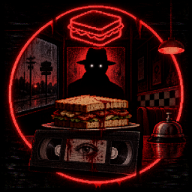
A sandwich order becomes a source of dread in Serve Or Die, a night-shift horror demo set inside a small sandwich shop. The Serve Or Die game mechanics make that contrast matter: normal food-service routines continue while the setting becomes increasingly unsettling. Learning the Serve Or Die game mechanics helps players recognize the real challenge, which is maintaining order accuracy and situational awareness when ordinary work starts to feel unsafe.
Dead Tape Studio describes the game as a PSX-style psychological horror experience with retro visuals, VHS-inspired atmosphere, strange customers, and short story-driven gameplay. The official Serve Or Die demo page also identifies the Windows release as an early preview, meaning its sounds, visuals, and gameplay systems may change before a final version.
Player experience: The practical examples below come from a recorded demo playthrough. They show observed systems and sequences, rather than a complete developer-confirmed list of every mechanic.
| Gameplay loop stage | What the demo shows | What to focus on |
|---|---|---|
| Receive an order | Customers ask for food, drinks, or several items at once | Capture the full request before preparing anything |
| Prepare food | Sandwiches use distinct ingredient combinations | Separate protein, toppings, and condiments mentally |
| Serve extras | Drinks appear alongside food requests | Check quantities before handing an order over |
| Maintain the shop | Cleaning, closing tasks, and an exterior power issue occur | Treat chores as part of the shift, not background detail |
| Handle disruptions | Customers and events become less predictable | Stay alert to dialogue, timing, and environmental changes |
The important design choice is that the work itself remains understandable. You are not being asked to master an elaborate restaurant simulator; you are being asked to perform familiar actions under worsening uncertainty. That makes Serve Or Die game mechanics effective as horror tools, because every routine interaction can become a reason to second-guess what is happening around you.
Serve Or Die Game Mechanics: Orders, Recipes, and Service
The food-preparation loop is the most visible part of the demo. Customers give requests, the player gathers the appropriate items, and the completed order is served at the counter. A notebook is mentioned during the opening instructions as the place to find needed information, making it an important in-game reference when a recipe or task is unclear.
Player experience: The recorded walkthrough shows these sample requests. They are useful examples, but they should not be treated as a complete recipe list for the demo or any later release.
| Order type | Example shown in player experience | Practical takeaway |
|---|---|---|
| Simple sandwich | Chicken and lettuce | Confirm each ingredient before serving |
| Simple sandwich | Beef and cheddar | Do not assume one meat uses the same toppings as another |
| Multi-order request | Beef with tomato and ketchup, plus chicken with onion and mustard | Count separate meals and build them as distinct orders |
| Food plus drink | A sandwich with a cold soda | Treat beverages as required items, not optional extras |
| Open-ended request | A customer asks for any food and a drink | Provide the explicitly requested drink without overcomplicating the choice |
A useful habit is to turn every order into a four-part checklist: item count, main food, ingredients, and beverages. For a two-sandwich request, do not rely on a vague memory of “one beef and one chicken.” Keep the full combinations separate until both meals are complete.
The order system also rewards careful listening. Some customers make concise requests, while others bring unsettling dialogue, unusual behavior, or distractions to the counter. In those moments, Serve Or Die game mechanics are less about culinary complexity than about preserving attention while the game works to disrupt it.
When a request is broad, such as being told to make any sandwich, avoid inventing unnecessary complications. When a request is specific, slow down enough to verify every component. That distinction helps keep normal orders manageable before the demo raises the pressure.
How the Demo Escalates Across Its Shifts
The demo’s structure uses menu growth to create a steady increase in cognitive load. In the recorded player experience, early shifts establish sandwich and drink service before new food categories appear on later days. That escalation fits the official description of a night that becomes harder to interpret as it progresses.
| Recorded demo day | New or emphasized service element | Added pressure |
|---|---|---|
| Day 1 | Sandwiches, drinks, cleaning, and closing tasks | Learn the basic workplace routine while odd encounters begin |
| Day 2 | Soup joins the menu | Track an additional food category amid more alarming conversations |
| Day 3 | Cookies are added | Manage several kinds of orders as the situation becomes more threatening |
Adding soup and cookies does more than expand the menu. It changes how much information the player must retain while moving through the same confined shop. A simple request can now involve multiple food types, drinks, or a customer whose behavior competes for attention.
The recorded sequence also includes an urgent request near the end of the third day. That scene suggests narrative pressure can become as important as recipe accuracy. However, the available material does not establish a universal countdown timer, scoring threshold, or complete failure-state system. A character saying the player took too long is evidence of a high-pressure scripted moment in that player experience, not proof that every order has the same timer.
This is one of the clearest Serve Or Die game mechanics: menu expansion doubles as story pacing. The game gives you more to remember at the same time it gives you more reasons to feel uneasy.
A Practical Routine for Serve Or Die Game Mechanics
A repeatable routine can reduce avoidable mistakes without removing the tension that makes the demo work. The goal is not to rush blindly. It is to give each type of task a consistent place in your attention.
| Moment | Recommended action | Why it helps |
|---|---|---|
| Start of a shift | Listen to the phone instructions and locate the notebook | Establishes the current task context and available reference material |
| Customer order | Repeat the requested items internally before moving away | Prevents ingredient or drink omissions |
| Food preparation | Build one order at a time, especially for multi-item requests | Keeps recipes from blending together |
| Shop maintenance | Address clearly identified cleaning and maintenance tasks | The demo treats routine upkeep as part of progression |
| Power problem | Follow the stated instruction about restoring power outside | Avoids wandering without a defined objective |
| Closing sequence | Finish required closure tasks, but stay attentive afterward | A recorded playthrough includes an interruption after closing begins |
Use this short mental shorthand when customers arrive:
Food -> ingredients -> quantity -> drinksChore -> trigger -> location -> completionUnexpected visitor -> explicit request -> immediate priority
The closing sequence deserves special attention. In the recorded player experience, cleaning visible messes, putting equipment away, and changing the store sign are not merely decorative actions. They help mark the transition between work stages, even though that transition does not guarantee the shift is free of further interruptions.
A checklist makes Serve Or Die game mechanics easier to parse because it keeps your attention on what is confirmed. That matters in a horror game built around uncertainty: use the request, the notebook, and the current objective as anchors when dialogue or visual events make the shop feel unreliable.
Why Routine Work Becomes Horror
The official premise is simple: take orders, make food, and serve customers during a late-night shift. The horror comes from how those tasks are framed. PSX-inspired visuals and VHS-style atmosphere give the workplace an intentionally degraded, uneasy texture, while strange customers make even ordinary conversations feel potentially important.
Player experience: The walkthrough includes cleaning tasks, a power-related instruction, unsettling customer remarks, odd payment behavior, and a threatening late-game demand. Each event interrupts the expected rhythm of service rather than replacing it with a wholly different genre of gameplay.
That structure creates a useful tension pattern:
- A routine gives the player a sense of control.
- An interruption makes the routine feel questionable.
- The player returns to work, but now pays closer attention to every detail.
The available material does not document conventional combat systems, stealth mechanics, character upgrades, or a restaurant economy. Based on the official description and recorded player experience, Serve Or Die game mechanics are best understood as interactive service tasks fused with psychological-horror escalation.
FAQ
What are the core Serve Or Die game mechanics?
Serve Or Die game mechanics center on receiving customer requests, preparing sandwiches and other menu items, serving drinks, completing maintenance tasks, and progressing through increasingly unsettling night shifts. The demo also uses dialogue, customer behavior, and environmental interruptions to build psychological tension around those simple actions.
How do orders and recipes work in the demo?
Player experience: Customers can request specific sandwich ingredients, multiple meals, drinks, soup, and cookies as the demo progresses. The opening instructions direct the player toward a notebook for needed information. The safest approach is to track item quantity, recipe components, and drinks separately before serving.
Is there a confirmed timer or score system?
No universal timer, scoring system, or order-rating system is confirmed in the supplied official material. One recorded player experience includes an urgent sequence in which a character reacts to the player taking too long, but that should be treated as an observed scene rather than a confirmed rule for every order.
Does Serve Or Die have more than one ending?
Community reports: One player comment on the official page says their video showed outcomes for fulfilling or failing a mysterious order, but it does not confirm the total number of endings or branches. The official page describes the release as an early demo, so players should avoid assuming that its current ending structure represents the final game.
Related Guides
Serve Or Die customer gameplay: A Spoiler-Light Night-Shift Survival Guide
Master Serve Or Die customer gameplay with order tips, horror cues, and a spoiler-light survival plan for the Windows demo.
Serve Or Die demo gameplay: What to Expect From the Night Shift
A spoiler-light guide to Serve Or Die demo gameplay, covering sandwich orders, escalating scares, and practical night-shift tips.
Serve Or Die full gameplay: Demo Walkthrough, Survival Tips, and Key Moments
Explore Serve Or Die full gameplay through its demo loop, order strategy, scares, practical tips, and a spoiler-aware three-day breakdown.
Serve Or Die gameplay: A Guide to Handling the Horror Night Shift
A practical Serve Or Die gameplay guide to orders, escalating night-shift pressure, and surviving the current horror demo.