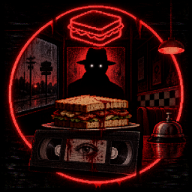
Serve Or Die demo gameplay: What to Expect From the Night Shift
A spoiler-light guide to Serve Or Die demo gameplay, covering sandwich orders, escalating scares, and practical night-shift tips.
What Makes This Night Shift Unsettling
At first, Serve Or Die demo gameplay looks like a quiet food-service routine: open a lonely sandwich shop, build orders, and wait for the next late-night visitor. That ordinary premise matters because Dead Tape Studio turns familiar task work into a source of pressure, making a missed detail or unexplained sound feel more personal than it would in a typical cooking game. This Serve Or Die demo gameplay guide covers the core loop, the demo's escalation, and practical ways to stay organized without exposing every story surprise.
Dead Tape Studio frames Serve Or Die as a PSX-style psychological horror game about working alone at a sandwich shop during the night shift. Its VHS-inspired presentation and short, story-driven structure are central to the appeal: the shop starts as a workplace, then gradually feels less dependable.
| Detail | What the official materials establish | Why it matters |
|---|---|---|
| Setting | You operate a small sandwich shop on a night shift. | Familiar work tasks make the horror feel grounded. |
| Genre | Psychological horror with simulation elements. | Expect unease and narrative tension, not just food preparation. |
| Visual tone | PSX-inspired retro visuals and a VHS-style atmosphere. | The presentation supports the game's distorted, uneasy mood. |
| Structure | A short, story-driven experience. | Pay attention to customer dialogue and environmental changes. |
| Demo status | The Windows demo is an early preview whose features may change. | Treat specific video observations as guidance, not a permanent feature list. |
Unlike a broad restaurant-management game, Serve Or Die demo gameplay keeps the scope deliberately tight. You are not trying to build a franchise or maximize a complex profit system. You are trying to do a simple job correctly while the setting, customers, and atmosphere make that job increasingly uncomfortable.
The observations below combine official descriptions with player experience from published demo playthroughs. Details identified as community reports reflect the version shown in those videos and may differ from later builds.
How the Night Shift Loop Works
The basic loop in Serve Or Die demo gameplay is easy to understand: receive an order, collect the requested ingredients, prepare the food, hand it over, and keep the shop functional. The tension comes from needing to remember those steps while unusual dialogue, noises, and interruptions compete for your attention.
| Step | What to do | Practical focus |
|---|---|---|
| Start service | Open the shop and prepare for customers. | Learn where ingredients and supplies are before rushing. |
| Read the order | Identify each sandwich, drink, soup, or cookie requested. | Count separate items before starting prep. |
| Prepare ingredients | Cook requested meat and add the listed toppings and sauces. | Treat every sandwich as its own checklist. |
| Add extras | Serve drinks and, later in the demo, soups or warmed cookies. | Do not forget an item after finishing the sandwich. |
| Reset the space | Follow cleanup or maintenance prompts between customers. | Use quieter moments to restore your bearings. |
Player experience shows that sandwich orders can include chicken or beef alongside lettuce, cheddar, onion, tomato, ketchup, and mustard. Drinks may include soda or beer. Community reports also show that the demo introduces soups and cookies as the shift progression continues.
Use a Simple Recipe Check
Before touching an ingredient, mentally sort the request into four parts:
- Number of sandwiches needed
- Protein for each sandwich
- Toppings and sauces
- Drinks or side items
For example, a request for chicken, onion, ketchup, and mustard is easier to handle when you deliberately separate “one chicken sandwich” from the ingredient list. That small pause is valuable because Serve Or Die demo gameplay creates pressure through distraction rather than through overly complicated recipes.
Cooking should generally come first when an order includes meat. Community reports indicate that leaving food unattended can lead to burnt ingredients, so begin heating the protein, gather the rest of the order, then return promptly to finish assembly.
How the Demo Builds Tension
What distinguishes Serve Or Die demo gameplay from a straightforward food-service simulator is the way it keeps the ordinary workflow in place while making the environment harder to trust. The game does not need to constantly interrupt you with spectacle. A strange customer, a troubling phone call, an unexpected noise, or an apparent power problem can be enough to make a routine task feel threatening.
The following progression is labeled as community reports because it comes from recorded demo playthroughs rather than a developer-issued walkthrough.
| Observed phase | Community reports | How to approach it |
|---|---|---|
| Opening shift | Sandwich orders, drinks, basic shop upkeep, and increasingly odd visitors. | Prioritize learning the workstation layout. |
| Later service | Tomato and mushroom soups join the menu. | Slow down long enough to confirm the requested soup. |
| Further escalation | Cookies appear alongside more unsettling customer encounters. | Separate heated items from standard sandwich prep. |
| Environmental pressure | Players reported power-related tasks, cryptic messages, and unexplained figures. | Follow immediate prompts before assuming a change is cosmetic. |
| High-pressure story moments | Some playthroughs show multi-item orders under intimidating circumstances. | Count orders carefully and complete them one at a time. |
The most effective horror comes from the mismatch between what the player is doing and what the player is feeling. Making a sandwich should be routine. In Serve Or Die, it can become unnerving because you may be listening for movement, watching a customer linger too long, or wondering whether a background detail has changed.
That design also makes small mistakes feel meaningful. Even if an incorrect order is not immediately punished, it can leave you distracted when the game wants your attention elsewhere.
Practical First-Shift Tips
These Serve Or Die demo gameplay tips focus on execution rather than story solutions, so they can help without removing the uncertainty that makes the demo effective.
| Situation | Recommended action | Why it helps |
|---|---|---|
| A customer orders several items | Break the request into separate food-and-drink groups. | Prevents one sandwich's ingredients from bleeding into another. |
| A meat order arrives | Start cooking first, then collect toppings. | Reduces idle time while avoiding forgotten food. |
| A new menu item appears | Check the game's instructions or notebook before guessing. | The demo introduces new tasks over time. |
| You are distracted by an event | Finish or record the active order before exploring. | Keeps recipe details from being lost under pressure. |
| Cleanup is required | Handle it during a clear gap between customers. | Lets you reset without juggling multiple objectives. |
A reliable order routine is more useful than trying to play quickly:
- Read the entire request once.
- Count the sandwiches and extras.
- Prepare one sandwich at a time.
- Confirm drinks, soups, or cookies before serving.
- Reset the counter and pay attention to the room again.
Player experience suggests that calm repetition is the best response to the demo's rising stress. Do not let an eerie sound turn a simple chicken-and-lettuce order into a forgotten drink or a wrong topping combination. The game benefits from your attention, but it also tries to divide it.
It is also worth listening to customer dialogue rather than treating it as background noise. Official descriptions emphasize strange and unsettling customers, while community reports show that conversations help establish the shop's escalating atmosphere. You do not need to decode every line immediately, but ignoring the world entirely weakens the experience.
Who Will Get the Most From It?
Serve Or Die demo gameplay is a strong fit for players who enjoy horror built around ordinary jobs, compact environments, and slow-building uncertainty. It is less about mastering a deep cooking system than staying composed while a familiar routine becomes increasingly strange.
| Player preference | Likely fit | Reason |
|---|---|---|
| Psychological horror in mundane settings | Strong fit | The night-shift sandwich shop is the core premise. |
| PSX-era and VHS-inspired horror aesthetics | Strong fit | The official presentation leans into retro visual horror. |
| Short, narrative-led indie games | Strong fit | The official description identifies it as story-driven. |
| Complex business simulation systems | Uncertain fit | The demo centers on direct service tasks and atmosphere. |
| Sensitivity to implied danger or stalking themes | Use caution | Steam's content notice references threatening situations and implied violence. |
The official materials describe content that may include threatening behavior, stalking-like scenarios, home-invasion-style tension, and implied violence. There are no explicit sexual acts listed, but the game is designed to create discomfort and suspense. That distinction is useful for players deciding whether the horror tone suits them or whether they should watch gameplay first.
For the most current download information and demo notes, visit the official Serve Or Die page on itch.io. Because the developer identifies the demo as an early preview, check the listing before assuming every observed mechanic or sequence remains unchanged.
Serve Or Die demo gameplay FAQ
What is Serve Or Die demo gameplay like?
Serve Or Die demo gameplay combines simple sandwich-shop tasks with psychological horror. You take orders, prepare food, serve customers, handle basic upkeep, and gradually encounter stranger events as the night shift develops.
Does the demo include more than sandwich making?
Yes. Community reports from playthroughs show drinks, cleanup tasks, tomato and mushroom soup, and warmed cookies. These additions make later orders more demanding because you must track several item types at once.
Is Serve Or Die only a cooking simulation?
No. Food preparation is the foundation, but the official description emphasizes psychological horror, unsettling customers, and a growing sense that the shop is not normal. The routine is there to make the tension more immediate.
How can I avoid mistakes during the demo?
Read each order completely, identify the number of sandwiches and extras, prepare one item at a time, and verify the order before serving it. The best approach is deliberate rather than rushed, especially once the atmosphere starts distracting you.
Related Guides
Serve Or Die customer gameplay: A Spoiler-Light Night-Shift Survival Guide
Master Serve Or Die customer gameplay with order tips, horror cues, and a spoiler-light survival plan for the Windows demo.
Serve Or Die full gameplay: Demo Walkthrough, Survival Tips, and Key Moments
Explore Serve Or Die full gameplay through its demo loop, order strategy, scares, practical tips, and a spoiler-aware three-day breakdown.
Serve Or Die game mechanics: How the Night-Shift Horror Loop Escalates
Explore Serve Or Die game mechanics, from sandwich orders and shop chores to eerie customers, menu growth, and practical demo tips.
Serve Or Die gameplay: A Guide to Handling the Horror Night Shift
A practical Serve Or Die gameplay guide to orders, escalating night-shift pressure, and surviving the current horror demo.