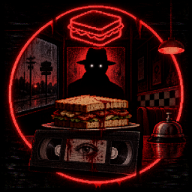
Serve Or Die horror game gameplay guide: how to survive the night shift
A Serve Or Die horror game gameplay guide to handling orders, outages, and unsettling customers during a tense night shift.
Why the Night Shift Feels Wrong
Few games make a routine service job feel dangerous as effectively as the Serve Or Die horror game. The Serve Or Die horror game matters because it turns ordinary work, including taking orders, cooking fillings, and delivering food, into a test of attention while the shop steadily becomes less trustworthy. Its best scares come from making familiar actions feel unsafe instead of separating horror from the work itself.
Dead Tape Studio presents the game as a PSX-style psychological horror experience set in a small sandwich shop during the night shift. The official Serve Or Die page from Dead Tape Studio provides a downloadable Windows demo and notes that its early-preview visuals, sounds, mechanics, and gameplay may change.
That distinction is useful when watching early gameplay. The core premise is clear, but recipe timing, event order, and individual scenes shown in demo playthroughs should be treated as player experience rather than a permanent full-game checklist.
| Gameplay foundation | What is established | Why it matters while playing |
|---|---|---|
| Setting | You work alone in a small sandwich shop at night. | Customers and environmental changes are always close to your workspace. |
| Core activity | You take orders, prepare food, serve customers, and keep the business running. | Small mistakes become part of the tension rather than simple downtime. |
| Genre | It is a psychological horror game with simulation elements. | Expect uncertainty and atmosphere, not just food-prep tasks. |
| Visual tone | The game uses PSX-inspired visuals and a VHS-like mood. | Distorted or unusual details can feel deliberately hard to interpret. |
| Story format | The developer describes it as a short, story-driven experience. | The pressure comes from escalation across a focused shift. |
The Serve Or Die Horror Game Gameplay Loop
At its core, the Serve Or Die horror game asks you to track two things at once: the customer's exact request and the room's increasingly suspicious details. The official description confirms the order-taking and food-preparation loop, while community playthroughs of the demo show how that loop expands from sandwiches and drinks into additional menu items and more stressful service situations.
The useful mindset is simple: treat every order as a short checklist. Do not let an unsettling conversation, a sound from another room, or a sudden blackout erase the active recipe from your attention.
| Step | Practical action | Common failure | Better habit |
|---|---|---|---|
| Before opening | Read the in-game notebook and identify ingredients, drinks, cleaning equipment, and the fuse-box route. | Learning the station layout during a stressful interruption. | Take a quick visual tour before the first customer arrives. |
| Taking an order | Separate the request into food, toppings, sauces, and drinks. | Remembering the first ingredient but forgetting the rest. | Repeat the full order silently before moving. |
| Cooking | Start cooked ingredients, then prepare cold toppings and sauces. | Letting food overcook while dialogue pulls your attention away. | Check the cooking item before every new action. |
| Assembly | Build the requested item deliberately. | Adding the wrong sauce or skipping a required component. | Finish one item cleanly before beginning another. |
| Delivery | Hand over every requested item with care. | Dropping food or delivering an incomplete order. | Treat the handoff as a separate final step. |
| Closing | Clear spoiled food, clean up, return equipment, and complete closing tasks. | Assuming the shift ends as soon as customers leave. | Sweep the shop methodically before changing the sign. |
Community reports from demo playthroughs suggest that dropped food can create an avoidable remake, especially when an item lands on the floor or a customer does not receive the full order. That makes deliberate delivery more important than rushing the last few seconds of a transaction.
How the Horror Escalates Across the Shift
What makes the Serve Or Die horror game effective is that its tasks remain recognizable even as their context changes. You are still making food and serving people, but outages, unsettling behavior, strange conversations, and increasingly urgent demands interfere with the comfortable rhythm of the job.
The result is a form of pressure that is easy to understand. You are not only asking, "What does this customer want?" You are also asking, "Why is this happening now, and what did I miss while I was looking at the grill?"
The following table contains light demo-flow spoilers based on community reports.
| Demo shift | Added service pressure | Community-reported horror signal | Best response |
|---|---|---|---|
| Early shift | Sandwiches and drinks establish the basic routine. | Odd customers, suspicious movement, and environmental details begin to stand out. | Learn the layout and build confidence with simple orders. |
| Middle shift | Soup joins the menu, increasing the number of items to track. | Power outages and increasingly strange conversations disrupt focus. | Resolve the urgent task, then return to the active order checklist. |
| Later shift | Cookies and more demanding requests add time pressure. | Threatening behavior and high-stakes customer interactions raise the tension. | Read each component carefully instead of reacting to pressure alone. |
The official content description also warns of threatening behavior, stalking, home-invasion-like situations, implied violence, and potentially traumatic tension. That does not mean every customer is an immediate danger, which is exactly why the atmosphere works. The game asks you to continue doing your job while deciding whether a strange moment is merely awkward or a sign that the shift is deteriorating.
Practical Serve Or Die Horror Game Tips
These Serve Or Die horror game tips are designed for a first playthrough, not a speedrun. The goal is to reduce avoidable food-prep errors so you can focus on the story, environmental clues, and rising unease.
| Priority | Actionable habit | Quick example | Why it helps |
|---|---|---|---|
| 1 | Convert each order into categories. | Think: base, cooked filling, toppings, sauces, drink, and any extra item. | Prevents forgotten ingredients when the order becomes more complex. |
| 2 | Watch cooking food before continuing dialogue. | Check a protein before collecting another topping. | Avoids a burned item and the time needed to remake it. |
| 3 | Stage only the ingredients you need. | Prepare toppings while food cooks, but do not build random items in advance. | Keeps the counter and your mental checklist manageable. |
| 4 | Pause before delivery. | Count the sandwich, soup, cookie, or drink requested before handing items over. | Helps avoid incomplete orders and misplaced items. |
| 5 | Learn the recovery route. | Know where to find the notebook, cleaning tools, and fuse box before an outage occurs. | Turns interruptions into manageable tasks instead of panic moments. |
| 6 | Reset after every customer. | Discard spoiled food and restore your work area before the next order. | Reduces clutter and makes the next request easier to process. |
Use a three-question reset whenever the game interrupts you:
- What exactly did the customer request?
- What item is currently cooking?
- What must be delivered together?
This short check is especially valuable after a blackout, an unnerving conversation, or a sudden appearance behind the counter. In a game built around divided attention, a brief pause is often more useful than frantic movement.
Who Will Get the Most From It
The Serve Or Die horror game is a strong fit for players who enjoy psychological tension built through ordinary responsibilities. Its hook is not simply that the sandwich shop is scary. It is that food-service repetition becomes the framework for suspense, uncertainty, and escalating story pressure.
It should appeal most to:
- Players who like short, story-driven indie horror experiences.
- Fans of retro PSX-inspired graphics and VHS-style presentation.
- Players who enjoy task management when it supports atmosphere instead of replacing it.
- Viewers who like watching streamers lose focus under believable customer-service pressure.
Before starting, keep the demo and full release separate. The itch.io page labels its download as an early Windows demo, while the official Steam page for Serve Or Die lists the full title as a single-player release dated September 4, 2026. Steam also lists subtitle options, camera comfort features, no quick-time-event requirement, and play-at-your-own-pace support.
Serve Or Die Horror Game FAQ
What kind of game is Serve Or Die?
Serve Or Die is a psychological horror and simulation game from Dead Tape Studio. You work the night shift at a sandwich shop, take food orders, prepare meals, serve customers, and deal with an atmosphere that becomes steadily more disturbing.
Is the Serve Or Die horror game mostly a cooking simulator?
Cooking and service tasks are the central gameplay loop, but the Serve Or Die horror game uses those tasks to create suspense. The pressure comes from remembering orders, managing cooking, responding to disruptions, and deciding how seriously to take increasingly strange customers and events.
What is the best first-run strategy?
Read the notebook, learn the ingredient stations, identify the fuse-box route, and handle every order as a checklist. Community reports suggest that food mistakes, incomplete deliveries, and distractions can snowball quickly, so accuracy matters more than rushing.
Is the itch.io version the same as the full release?
The official itch.io page identifies its download as a Windows demo and says that mechanics, visuals, sounds, and gameplay elements may change. The Steam listing represents the full release, so demo playthroughs are best used to understand the premise and core gameplay rather than every final detail.
Related Guides
Serve Or Die customer gameplay: A Spoiler-Light Night-Shift Survival Guide
Master Serve Or Die customer gameplay with order tips, horror cues, and a spoiler-light survival plan for the Windows demo.
Serve Or Die demo gameplay: What to Expect From the Night Shift
A spoiler-light guide to Serve Or Die demo gameplay, covering sandwich orders, escalating scares, and practical night-shift tips.
Serve Or Die full gameplay: Demo Walkthrough, Survival Tips, and Key Moments
Explore Serve Or Die full gameplay through its demo loop, order strategy, scares, practical tips, and a spoiler-aware three-day breakdown.
Serve Or Die game mechanics: How the Night-Shift Horror Loop Escalates
Explore Serve Or Die game mechanics, from sandwich orders and shop chores to eerie customers, menu growth, and practical demo tips.