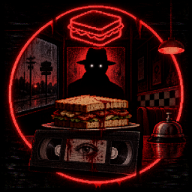
Serve Or Die horror gameplay: A Guide to Surviving the Night Shift
Master Serve Or Die horror gameplay with a spoiler-conscious guide to orders, escalating night-shift tension, and practical survival tips.
Why Serve Or Die horror gameplay Feels So Uncomfortable
An ordinary sandwich counter becomes an anxiety machine in Serve Or Die horror gameplay, where a simple order can pull your attention away from a dark, increasingly suspicious shop. That contrast matters because Dead Tape Studio builds tension through work players already understand: read the request, prepare the meal, deliver it, and keep the business running while the situation deteriorates. This Serve Or Die horror gameplay guide covers the core loop, the escalation shown in available playthroughs, and habits that help prevent small errors from becoming bigger problems.
Serve Or Die is a psychological horror game set during a solitary night shift at a small sandwich shop. Its official description emphasizes PSX-inspired visuals, a VHS-like atmosphere, strange customers, and a short story-driven structure. The familiar job-simulator premise is the point: routine tasks remain recognizable even as the space around the player becomes less trustworthy.
For the developer's official premise, Windows demo information, and current notices, visit Dead Tape Studio's official Serve Or Die page.
| Familiar task | What makes it unnerving | Best player mindset |
|---|---|---|
| Opening the shop | It commits you to another stretch of isolation and incoming customers. | Learn the room before flipping the sign. |
| Taking an order | Several ingredients, drinks, and sides can be requested at once. | Repeat the order mentally before grabbing items. |
| Cooking meat | Looking away for too long can create avoidable food mistakes. | Prioritize the active cooking station. |
| Serving customers | A routine handoff can be interrupted by odd behavior or dialogue. | Finish the order deliberately rather than rushing. |
| Cleaning and maintenance | Chores pull focus away from the front counter and the wider shop. | Treat downtime as preparation, not safety. |
The game does not need constant action to create pressure. Instead, it turns divided attention into the threat. A ringing phone, a power issue, a customer who lingers too long, or a detail that looks different from a moment ago can make ordinary work feel unsafe.
The Core Night-Shift Loop
At a mechanical level, Serve Or Die horror gameplay centers on a repeatable service routine. You accept requests, assemble food, cook applicable ingredients, add toppings or sauces, provide drinks and sides, and hand the completed order to the customer. The shop also demands upkeep through chores such as cleaning and handling maintenance issues.
The supplied player-experience walkthroughs show that the early shift establishes the basics through sandwiches and drinks. Later shifts add menu items such as soup and cookies, increasing the number of steps players must remember. That gradual expansion is important: the challenge is not only speed, but maintaining accuracy while dialogue, environmental changes, and unsettling interruptions compete for attention.
| Step | What to do | Why it matters |
|---|---|---|
| 1. Read the request | Identify every food item, topping, sauce, drink, and side. | A missed ingredient can waste time and supplies. |
| 2. Check the notebook | Confirm preparation rules when a menu item is unfamiliar. | The in-game reference is more reliable than guessing. |
| 3. Start cooked ingredients | Put meat on first when it needs preparation. | It creates time to gather cold ingredients without forgetting the main item. |
| 4. Build methodically | Add toppings and sauces in a fixed sequence. | A consistent order reduces omissions under stress. |
| 5. Deliver carefully | Make sure the right item reaches the intended customer. | Misplaced food can create cleanup and remake work. |
| 6. Reset the station | Discard spoiled food, clean when prompted, and return tools. | A tidy station reduces confusion before the next interaction. |
A good operational rule is to finish the order in front of you before reacting to nonessential distractions. Some events are designed to make the player uneasy, but panicking can produce the practical mistake that causes the real setback.
Before opening each shift, use this short routine:
- Review the current menu and the notebook instructions.
- Locate key stations for food, drinks, cleaning, and power maintenance.
- Keep the cooking area in view whenever meat is active.
- Pause for one second before serving to verify the completed order.
How the Shift Escalates
The available player-experience footage presents a three-day structure in the demo. Each day broadens the work while making the setting feel more unstable. The exact order of events, visuals, sounds, and mechanics may change because the official demo page identifies it as an early preview.
| Shift stage | Added workload shown in player experience | Horror pressure | Practical response |
|---|---|---|---|
| Day 1 | Sandwiches, drinks, basic cleaning | Unusual customers and subtle environmental unease | Learn ingredient locations and serving controls. |
| Day 2 | Soup joins the menu | Power problems, stranger conversations, and stronger distractions | Recheck recipes instead of relying on memory. |
| Day 3 | Cookies add another service task | Escalating stakes and more demanding customer encounters | Slow down enough to avoid a rushed handoff. |
This structure works because every new menu item adds cognitive load. Soup may sound simple, but it is another category to remember while players are managing sandwiches, drinks, dialogue, and the feeling that something in the shop is not right.
The horror is therefore tied directly to task management. A threatening moment feels more intense when you are already worried about burning an ingredient, forgetting a sauce, or leaving a mess behind. That is a more effective use of the workplace setting than simply placing jump scares between unrelated scenes.
Seven Practical Tips for Serve Or Die horror gameplay
The best way to approach Serve Or Die horror gameplay is to treat it like a job simulator first and a horror game second. Establishing a dependable routine gives you more attention for the game's narrative signals and environmental changes.
| Tip | How to apply it | What it helps prevent |
|---|---|---|
| Read every complete order | Do not begin after hearing only the first ingredient. | Missing toppings, sauces, drinks, or sides. |
| Use a fixed build order | For example, handle cooked food, toppings, sauces, then delivery. | Losing track when requests become longer. |
| Watch active cooking | Avoid wandering away once meat is on the heat. | Burned or unusable ingredients. |
| Keep items separated | Do not mix separate customers' food while multitasking. | Serving the wrong order. |
| Use the notebook freely | Review soup, cookie, and sandwich instructions whenever uncertain. | Guessing at preparation requirements. |
| Clean during real downtime | Handle prompted chores before the next rush. | A cluttered work area and delayed closing tasks. |
| Stay calm during interruptions | Finish the necessary task, then assess the disturbance. | Letting the atmosphere force an avoidable mistake. |
The game rewards deliberate attention more than reckless speed. A customer can sound impatient, but an incomplete order may cost more time than a brief pause to confirm the request. Keep your focus on what the game can directly evaluate: correct ingredients, correct preparation, successful delivery, and required maintenance.
It is also useful to separate scripted tension from player-controlled performance. You cannot necessarily prevent every unsettling event, but you can avoid handing the game an extra failure through poor station awareness. That distinction makes the experience more manageable without reducing the horror.
Why the Horror Lands Between Orders
Dead Tape Studio's PSX-style presentation and VHS-inspired mood are not just visual decoration. The retro look reinforces uncertainty by making small details harder to trust. In a brightly lit, realistic restaurant game, a customer standing in an odd place might be easy to dismiss. In Serve Or Die, the same sight can feel like a warning.
Player experience coverage supplied for this article repeatedly highlights the uneasy transition from basic food preparation to unnerving encounters. Walkthroughs show players reacting to suspicious customers, unexpected movement, power interruptions, strange notes, and dialogue that suggests the shop has a troubling history.
| Horror signal | How it affects the work loop | Smart response |
|---|---|---|
| Strange customer dialogue | Diverts attention from recipes and timing. | Complete the order before overanalyzing the conversation. |
| Power interruptions | Turn a routine maintenance task into a vulnerable moment. | Know where to go before the outage happens. |
| Environmental changes | Make familiar parts of the shop feel unreliable. | Notice them, but do not abandon an active order. |
| Rising customer pressure | Encourages rushed preparation. | Follow the same order-building process every time. |
Community reports on the official itch.io page praise the atmosphere, subtle scares, and the way later demo days become more intense. Those reactions are player opinions rather than guarantees, but they align with the game's central strength: tension develops while the player is trying to do something ordinary correctly.
Prospective players should also note the mature-content description on Steam, which references psychological horror, threatening behavior, stalking-like situations, implied violence, and aggressive individuals. Serve Or Die is not framed as a cozy restaurant-management game with a few spooky decorations. Its night-shift premise is designed to make the player feel exposed.
FAQ
What kind of game is Serve Or Die?
Serve Or Die is a PSX-style psychological horror game from Dead Tape Studio. You work alone at a small sandwich shop during the night shift, prepare orders, serve customers, maintain the business, and face an atmosphere that grows increasingly disturbing.
Does Serve Or Die horror gameplay focus more on cooking or horror?
Serve Or Die horror gameplay uses cooking and customer service as the foundation for its horror. Preparing sandwiches, drinks, soup, and cookies is a genuine part of the gameplay loop, while strange behavior, environmental tension, and escalating encounters make those basic tasks stressful.
Is Serve Or Die difficult for new players?
The main challenge is attention management rather than complex controls. New players should read orders fully, use the notebook, watch cooked ingredients, and avoid rushing deliveries. Player experience footage suggests that errors often come from distractions and incomplete orders, not from a lack of available instructions.
Is the itch.io version the full game or a preview?
The official itch.io page identifies its Windows download as a demo and notes that visuals, sounds, mechanics, and gameplay elements may change during development. Treat the demo as a useful introduction to Serve Or Die horror gameplay, while checking the official page for the latest availability and updates.
Related Guides
Serve Or Die customer gameplay: A Spoiler-Light Night-Shift Survival Guide
Master Serve Or Die customer gameplay with order tips, horror cues, and a spoiler-light survival plan for the Windows demo.
Serve Or Die demo gameplay: What to Expect From the Night Shift
A spoiler-light guide to Serve Or Die demo gameplay, covering sandwich orders, escalating scares, and practical night-shift tips.
Serve Or Die full gameplay: Demo Walkthrough, Survival Tips, and Key Moments
Explore Serve Or Die full gameplay through its demo loop, order strategy, scares, practical tips, and a spoiler-aware three-day breakdown.
Serve Or Die game mechanics: How the Night-Shift Horror Loop Escalates
Explore Serve Or Die game mechanics, from sandwich orders and shop chores to eerie customers, menu growth, and practical demo tips.