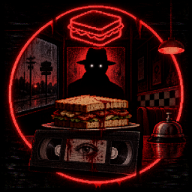
Serve Or Die restaurant gameplay: A Smart First-Shift Guide for New Players
Master Serve Or Die's night-shift sandwich loop, manage strange interruptions, and get a spoiler-light plan for the current demo.
What Defines Serve Or Die restaurant gameplay?
At first glance, Serve Or Die restaurant gameplay asks you to do an ordinary night-shift job: take requests, prepare food, and hand over each order. That routine is why Serve Or Die restaurant gameplay matters: the game creates pressure by making you stay organized while the restaurant and its visitors become increasingly unsettling. The result is a psychological horror experience where careful observation can matter as much as sandwich assembly.
According to the official Serve Or Die demo page, Dead Tape Studio's Windows demo is a PSX-inspired psychological horror game set in a small late-night sandwich shop. Its official description highlights retro visuals, VHS-style atmosphere, strange customers, and short story-driven gameplay.
At its center, Serve Or Die restaurant gameplay pairs a simple service loop with an environment that gradually feels less trustworthy. The practical lesson for new players is straightforward: treat every order accurately, but do not tune out the shop itself.
A recorded community Serve Or Die playthrough shows that dialogue, unexpected visitors, changing surroundings, and ordinary food requests can all compete for attention. This is player experience rather than a guarantee of every version, especially because the developer describes the current release as an early preview whose mechanics and presentation may change.
Master the Core Sandwich-Shop Loop
Before the tension rises, learn the counter, preparation area, ingredients, serving point, and any nearby interactable objects. Familiarity with the layout reduces the mental load when a customer gives a complicated request or the environment suddenly changes.
The strongest Serve Or Die restaurant gameplay habit is using the same order routine every time.
| Service Stage | Practical Action | Common Mistake to Avoid |
|---|---|---|
| Receive the order | Listen to the full request before moving away from the counter. | Remembering the protein but forgetting a topping or drink. |
| Prepare ingredients | Gather only what the current customer needs. | Starting several orders and mixing their components. |
| Assemble the food | Add ingredients in a deliberate, repeatable sequence. | Treating an “everything” request as a reason to guess. |
| Verify the result | Mentally repeat the requested items before serving. | Handing over food as soon as it looks complete. |
| Deliver the order | Return the finished food and any requested drink to the active customer. | Serving the wrong person after an interruption. |
Community player experience shows sandwich requests involving chicken or beef, along with toppings such as lettuce, tomato, onion, cheese, mustard, and ketchup. The same playthrough also shows beverages and, later, additional menu items such as soup and cookies.
| Menu Category | Examples Seen in Player Experience | Low-Error Approach |
|---|---|---|
| Sandwich protein | Chicken and beef | Start cooking the requested protein before assembling the rest. |
| Toppings and sauces | Lettuce, tomato, onion, cheese, mustard, ketchup | Repeat the requested list in the same order every time. |
| Drinks | Soda and beer | Keep the drink request separate from the sandwich ingredients. |
| Expanded menu | Tomato soup, mushroom soup, cookies | Check the available instructions before assuming a recipe. |
The exact menu and interactions may evolve as the demo develops. Still, the principle remains useful: build one clear order at a time, verify it, then serve it before shifting your attention elsewhere.
Use a Low-Error Order Method
For Serve Or Die restaurant gameplay, speed is useful only after accuracy becomes automatic. Rushing may feel appropriate when a customer is impatient, but recovering from an incorrect sandwich usually costs more attention than a brief final check.
Use this five-part method for standard customers:
- Repeat the request mentally. Identify the protein, toppings, sauces, and drink before you collect anything.
- Commit to one customer. Avoid beginning a second order until the first is served whenever the situation allows.
- Stage the essentials first. Prepare the requested protein and sandwich base before adding optional components.
- Build from a fixed order. For example, move from protein to cheese, then vegetables, then sauces, rather than adding ingredients at random.
- Perform a final comparison. Ask yourself whether every requested item is present and whether anything extra slipped in.
| Problem | Best Immediate Response | Why It Helps |
|---|---|---|
| You add an unwanted ingredient | Remake the order instead of hoping the customer accepts it. | It prevents a small error from becoming a larger interruption. |
| You forget a requested drink | Complete the drink request before moving on to a new customer. | It keeps the original interaction clearly resolved. |
| You lose track of two orders | Stop, identify the active customer, and finish one item cleanly. | It reduces ingredient mix-ups. |
| A sandwich is marked spoiled or unusable | Discard it and restart with fresh ingredients. | A recorded player experience shows that food can become rotten. |
| Something strange interrupts preparation | Note the last ingredient you used before investigating. | You can resume without rebuilding the wrong order. |
This method also gives you a reliable baseline for recognizing when the game is doing something unusual. If you followed the normal loop and the scene still feels wrong, the problem may not be the sandwich.
Know When to Stop Serving and Investigate
Serve Or Die restaurant gameplay becomes more effective when the restaurant routine is interrupted by changes that do not fit an ordinary customer interaction. The official premise specifically emphasizes an atmosphere that grows more disturbing as the night continues, so do not assume every new development is solved by making another order.
Use the difference between routine tasks and event tasks to decide what deserves attention.
| What You Notice | Likely Task Type | Spoiler-Light Response |
|---|---|---|
| A customer gives a standard food or drink request | Routine service | Complete the order using your normal preparation sequence. |
| A clear change in lighting, sound, or the shop environment | Story or event task | Pause briefly and inspect the nearby area for a relevant interaction. |
| A power-related prompt | Event task | Follow the current in-game direction instead of continuing food prep blindly. |
| An unusual visitor or unsettling dialogue | Ambiguous encounter | Listen first, then determine whether an order or another interaction is required. |
| A cleanup or closing instruction | End-of-shift task | Complete the requested closing action before assuming the shift is over. |
A community playthrough includes a power problem associated with a fuse box outside the shop, as well as end-of-shift cleaning tasks. That is useful orientation, but it should not replace the instructions shown in your own build.
Follow three priorities when the shop becomes distracting:
- Finish an obvious, active standard order unless the game clearly presents a major new event.
- Stop adding ingredients the moment you become unsure which order is in progress.
- Trust current prompts and visible changes over assumptions from another player's recording.
This approach keeps the horror from turning into avoidable confusion. The game wants you to feel tension, but you should still know whether you are solving a customer request or responding to the environment.
Plan a Spoiler-Light First Run
A first run of Serve Or Die restaurant gameplay works best as an orientation shift rather than a perfect-score attempt. Focus on learning the layout, menu logic, and the rhythm of normal customer interactions. That foundation makes later disturbances easier to interpret without relying on a full walkthrough.
| First-Run Moment | Main Goal | What to Record Mentally |
|---|---|---|
| Opening minutes | Learn the counter, food stations, and key objects. | Where ingredients, instructions, and exits are located. |
| Early orders | Practice the five-part order method. | Your preferred assembly sequence. |
| First unusual event | Identify what changed before reacting. | Whether the change affects service or needs investigation. |
| New menu item | Read available guidance before preparing it. | How the item differs from a sandwich order. |
| Replay | Change one meaningful decision at a time. | What altered before the final sequence. |
Community reports on the official page mention different outcomes connected to a late-demo order, but that is player experience, not enough evidence to map a complete ending system. The best replay strategy is to keep your first run relatively natural, then test one choice or interaction at a time on later attempts.
Because the developer notes that the demo is still in development, avoid treating any video route as permanent. Use community playthroughs to learn broad habits, then let the current version's dialogue, prompts, and environmental clues guide your decisions.
Serve Or Die restaurant gameplay FAQ
What kind of game is Serve Or Die?
Serve Or Die is a PSX-style psychological horror game from Dead Tape Studio. You work a late-night sandwich-shop shift, take customer orders, prepare food, and deal with an atmosphere that becomes increasingly disturbing.
What is the main Serve Or Die restaurant gameplay loop?
The core loop is to receive an order, gather the requested ingredients, assemble the food, verify the result, and serve the correct customer. Strange encounters and environmental changes complicate that routine as the shift progresses.
How should I handle suspicious customers or unusual shop events?
Do not automatically treat every encounter as a normal food request. Listen to the dialogue, inspect nearby changes, and look for a current in-game prompt before returning to routine service. When in doubt, remember where you stopped in the order process.
Is Serve Or Die a finished release?
The official listing identifies it as a downloadable Windows demo and early preview. Dead Tape Studio notes that visuals, sound, mechanics, and other gameplay elements may change before the final version.
Related Guides
Serve Or Die customer gameplay: A Spoiler-Light Night-Shift Survival Guide
Master Serve Or Die customer gameplay with order tips, horror cues, and a spoiler-light survival plan for the Windows demo.
Serve Or Die demo gameplay: What to Expect From the Night Shift
A spoiler-light guide to Serve Or Die demo gameplay, covering sandwich orders, escalating scares, and practical night-shift tips.
Serve Or Die full gameplay: Demo Walkthrough, Survival Tips, and Key Moments
Explore Serve Or Die full gameplay through its demo loop, order strategy, scares, practical tips, and a spoiler-aware three-day breakdown.
Serve Or Die game mechanics: How the Night-Shift Horror Loop Escalates
Explore Serve Or Die game mechanics, from sandwich orders and shop chores to eerie customers, menu growth, and practical demo tips.